Matteo
Marchetti
Matteo Marchetti photography

Matteo
Marchetti

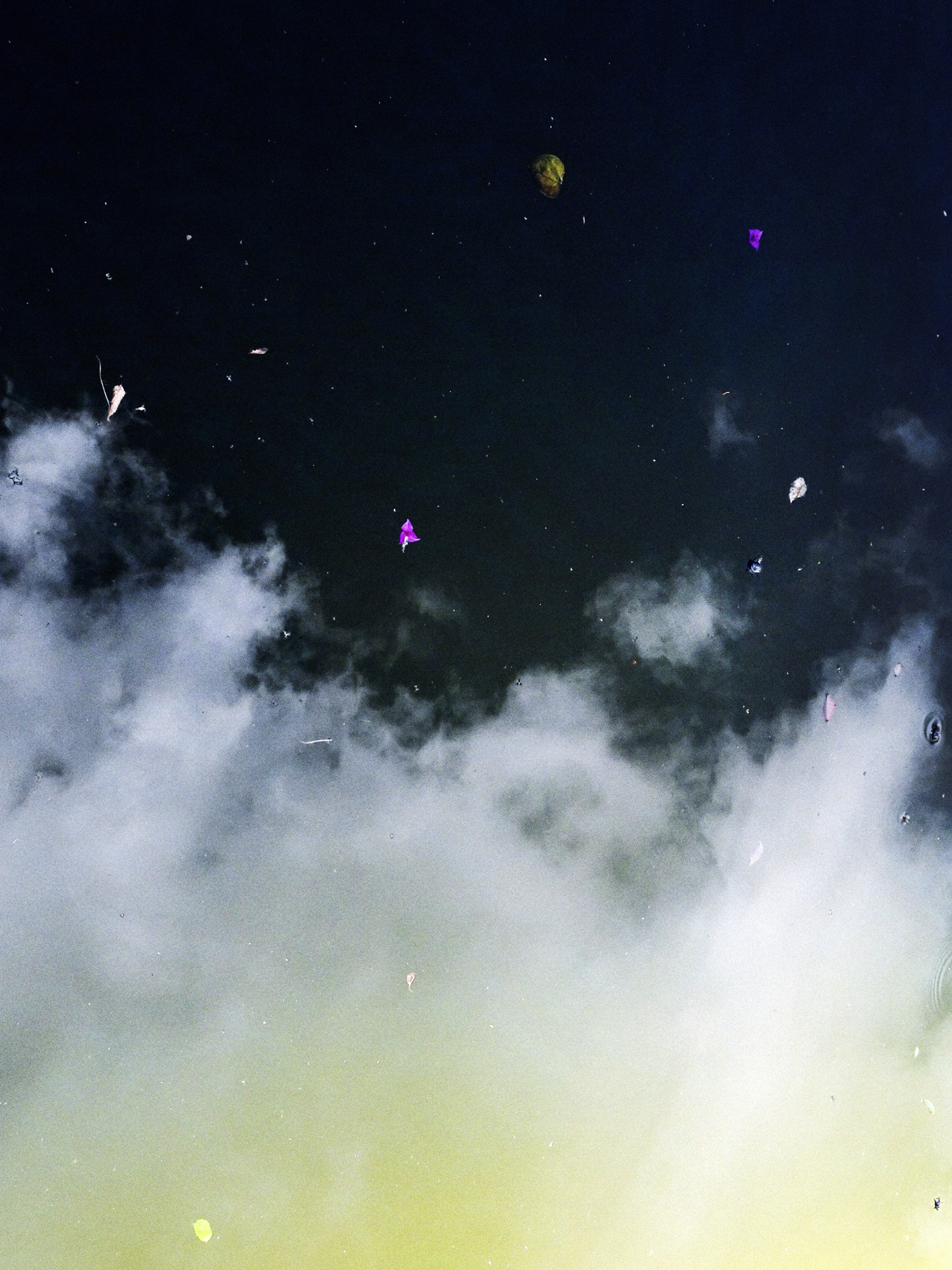
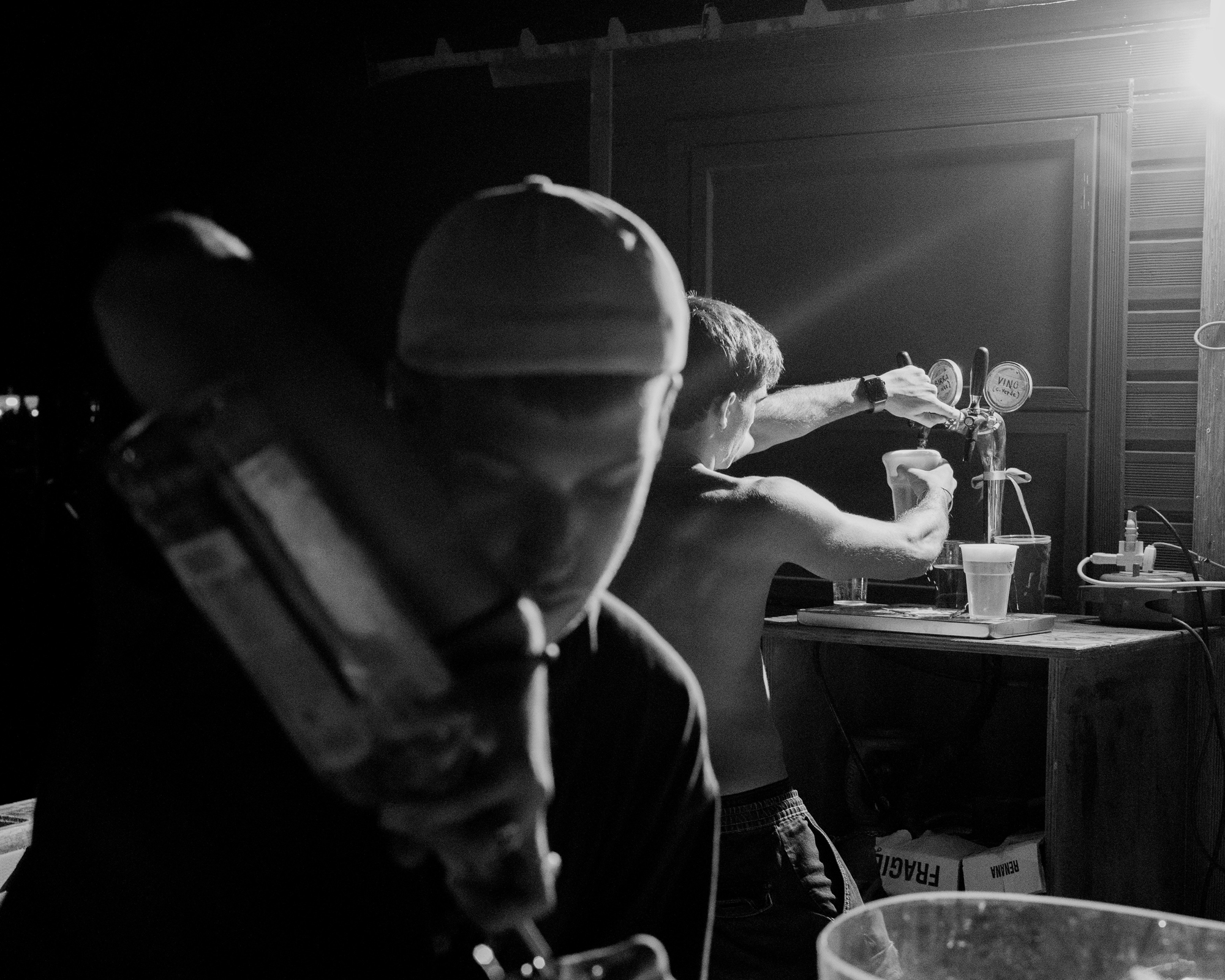
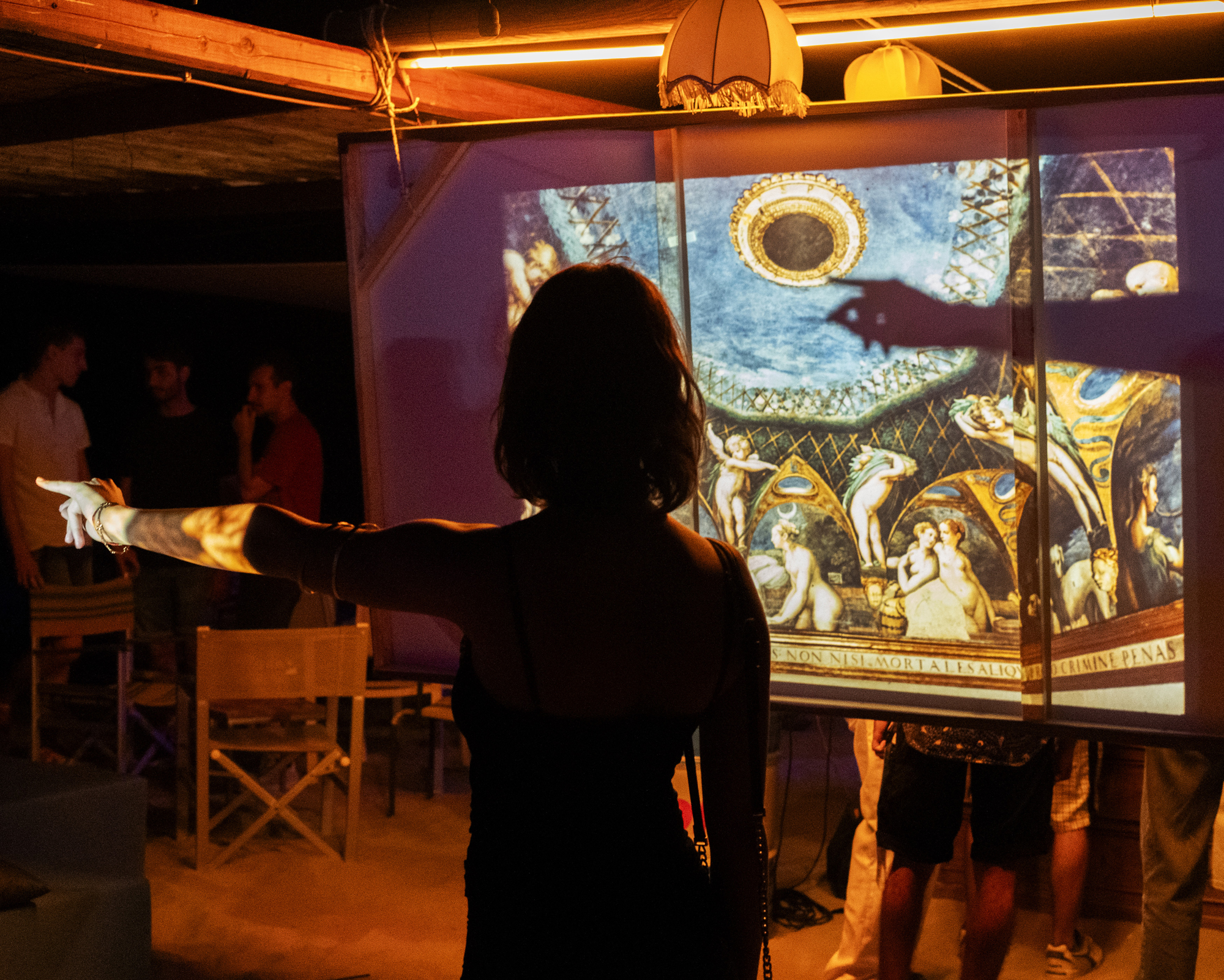
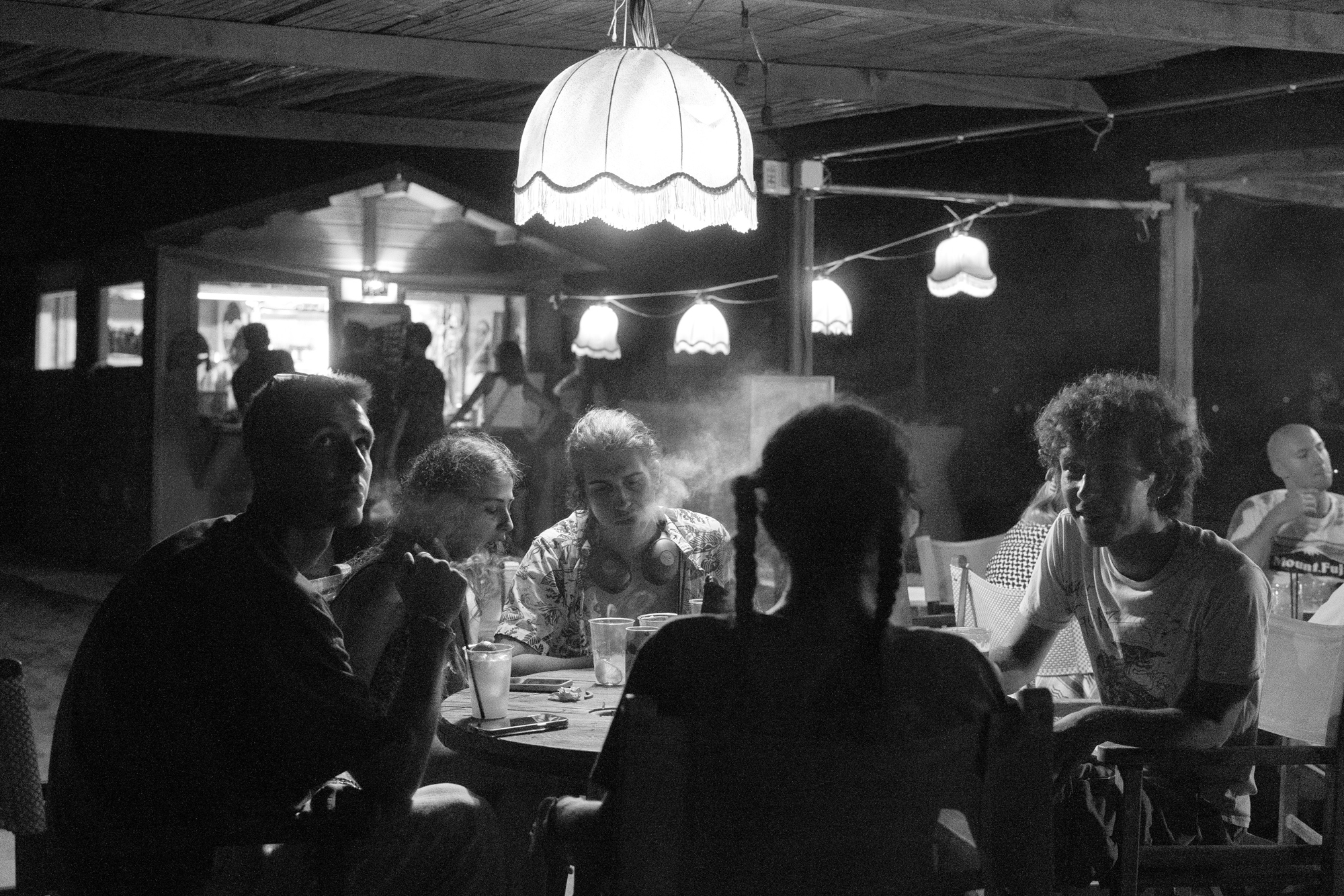
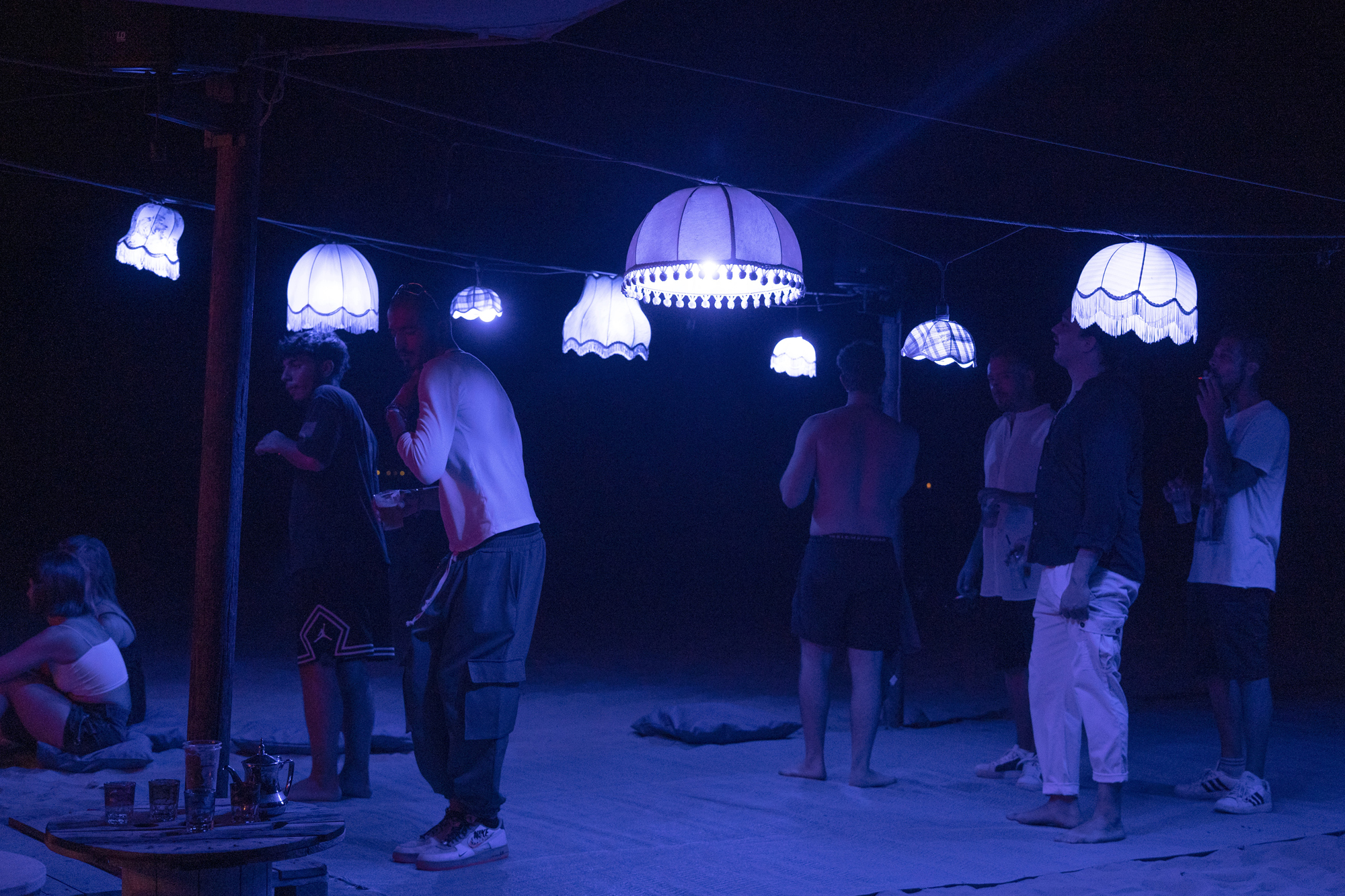
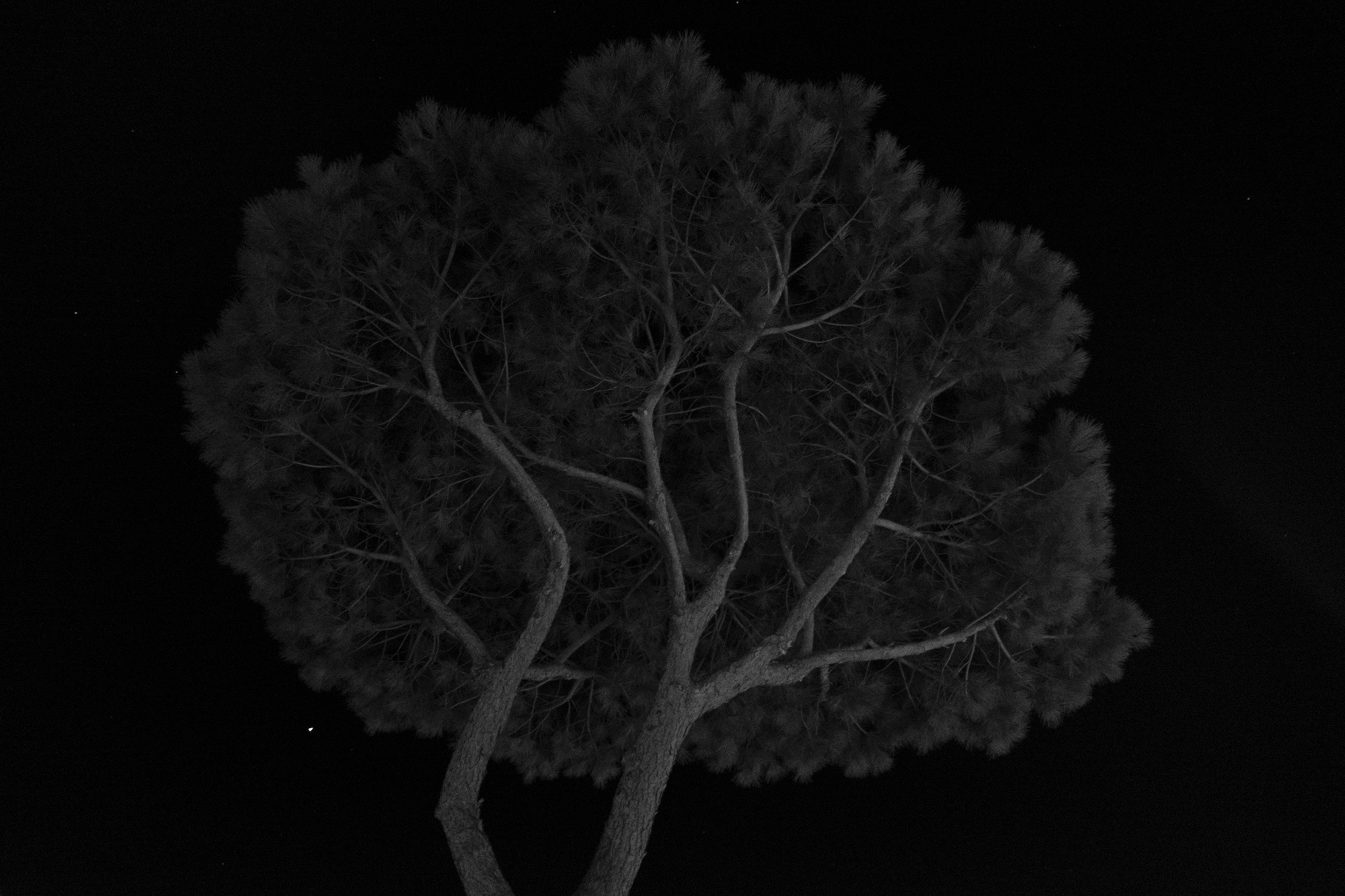
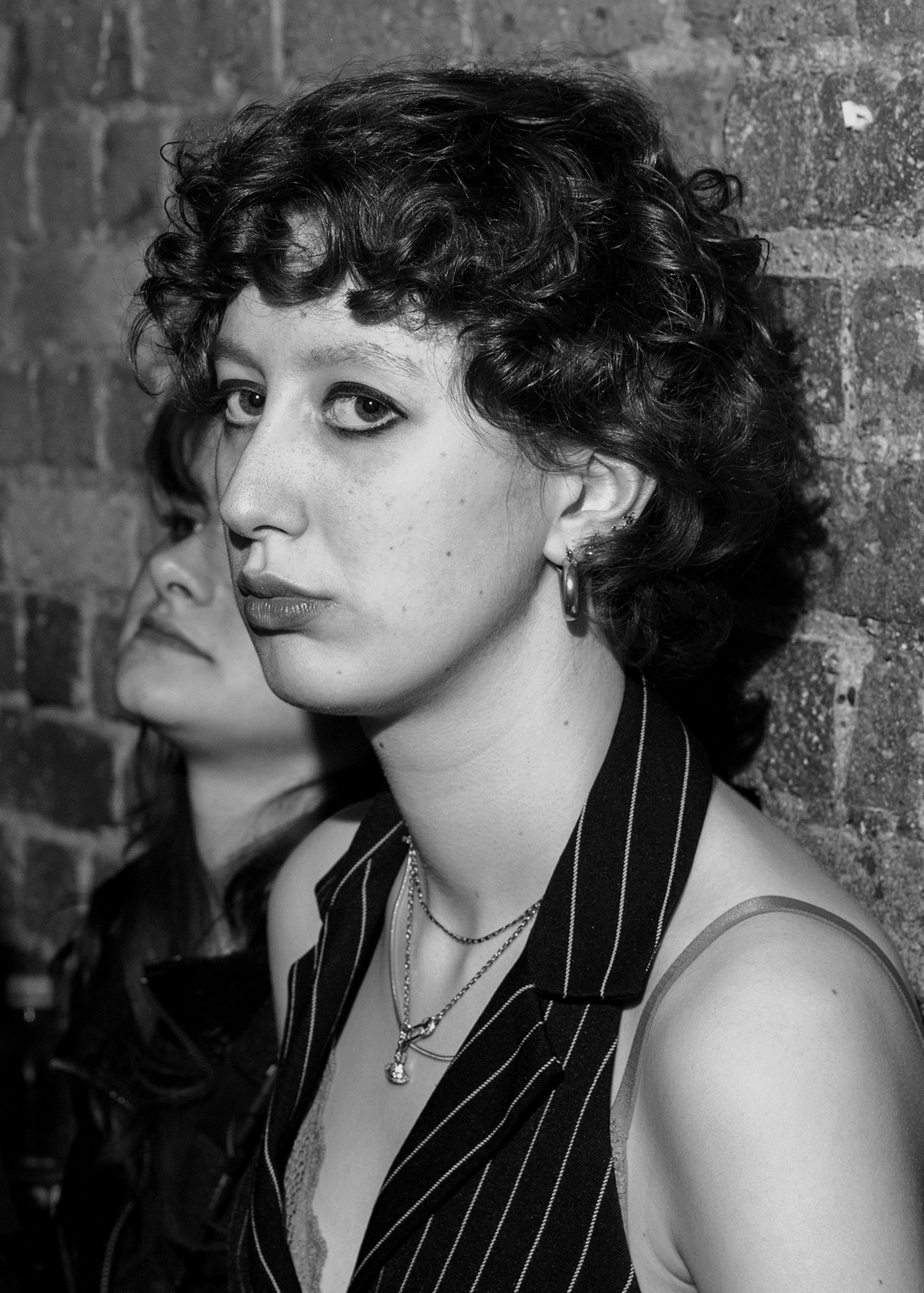
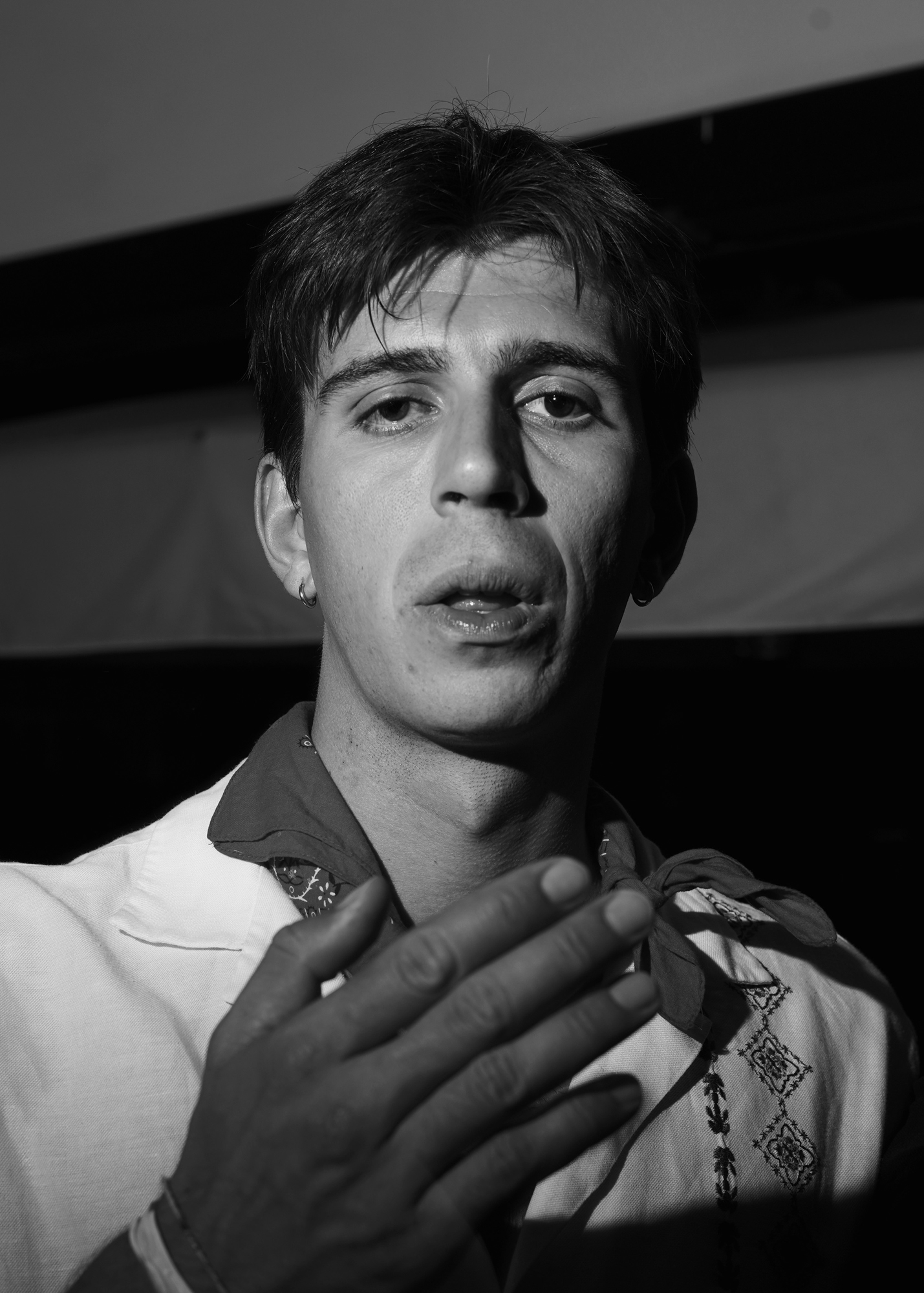
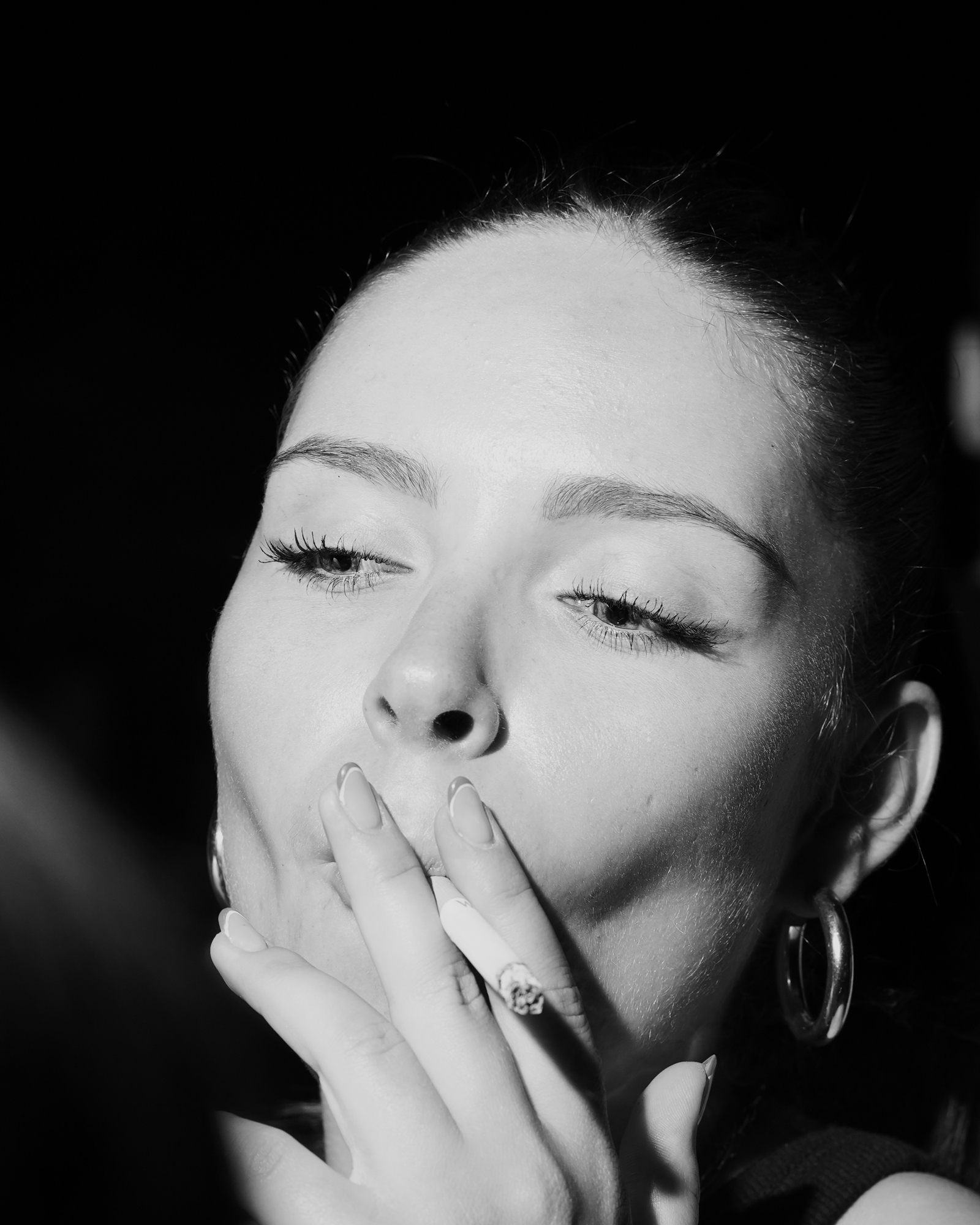
Matteo Marchetti is a Paris-based Italian documentary photographer whose work takes the night and its soundscapes as a lens onto contemporary social life.

Matteo is drawn to nightlife as a site where questions of shared space and affective solidarity become newly visible, and where unproductive togetherness becomes a form of analogue resistance.

His practice developed alongside Alex Majoli of Magnum Photos, with whom he collaborated as first assistant from 2019 to 2022, including on the production of the book Opera Aperta (Cesura Publish, 2021).

Since then, he has pursued an independent practice, undertaking editorial and commercial commissions for clients including Magnum Photos, Triennale Milano, GQ France, Vanity Fair Italia, and Fendi.

Matteo Marchetti est un photographe italien basé à Paris.

Son travail se situe dans la province et dans la métropole la nuit — une investigation sur la façon dont les individus habitent les espaces partagés, et ce que ces espaces révèlent du moment présent.

Sa pratique s'est développée aux côtés d'Alex Majoli (Magnum Photos), avec qui il a collaboré comme premier assistant de 2019 à 2022, notamment lors de la production du livre Opera Aperta. Il travaille depuis de manière indépendante pour des projets éditoriaux et commerciaux pour des clients tels que Magnum Photos, Triennale Milano, GQ France, Vanity Fair Italia et Fendi.

Education Formation

2023–2025

Scuola Conia réalisé par Claudia Castellucci

Three-year summer course in representation techniques — Cesena, Italy Cours d'été de trois ans en techniques de représentation — Cesena, Italie

2023

Workshop Magnum Photos

Editing & Production — Online Editing & Production — On-line

2022

Long Term Mentorship avec Gilles Peress et Alex Majoli

First assistant — Sicily, Italy Premier assistant — Sicile, Italie

2017–2019

Institut de Photographie et des Arts Visuels

Padua, Italy Padua, Italie

2017–2019

Lycée artistique Dosso Dossi

Ferrara, Italy Ferrare, Italie

Professional Experience Expériences professionnelles

2025–Present 2025–Aujourd'hui

Freelance photographer Photographe freelance

Events and personal artistic projects. Événements et projets artistiques personnels.

2023–2024

Independent photographer and collaborator Photographe indépendante et collaboratrice

Editorial and commercial projects. Assistant, digital operator and post-producer for various clients and institutions, including Magnum Photos, Triennale Milano, GQ France, Vanity Fair Italia, Fendi and others. Projets éditoriaux et commerciaux. Assistante, digital operator et post-producteur pour différents clients et institutions, notamment Magnum Photos, Triennale Milano, GQ France, Vanity Fair Italia, Fendi et autres.

2019–2022

First assistant — Alex Majoli (Magnum Photos) Première assistante — Alex Majoli (Magnum Photos)

Full assistance during shoots, lighting management, technical organisation, production follow-up and accompaniment on various projects. Assistance complète lors des prises de vue, gestion des lumières, organisation technique, suivi de production des expositions et accompagnement du photographe sur différents projets.

2019

Studio assistant — Fiorenzo Borghi, New York Assistant de studio — Fiorenzo Borghi, New York

Lighting management, technical organisation, and accompaniment on various projects. Gestion des lumières, organisation technique, et accompagnement du photographe sur différents projets.
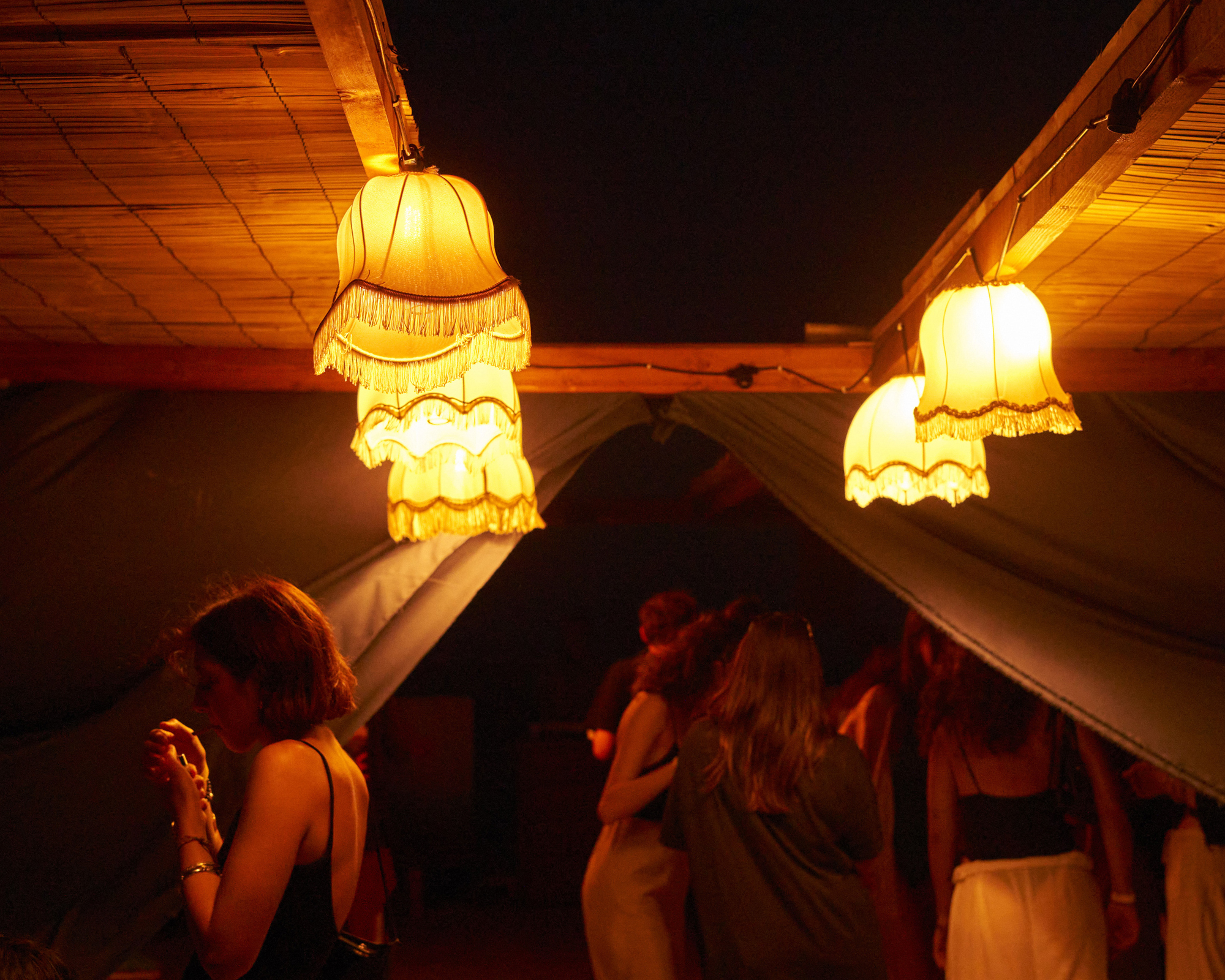
Non ci resta che ballare

Non ci resta che ballare

Europe · 2023–2025

Chiosco Blu

Chiosco Blu

Lido di Spina, Ferrare · 2023–2024

Beati monoculi in terra caecorum

Beati monoculi in terra caecorum

Italian provinceProvince italienne · 2022–2023

Side Jobs

Retouching

Coming soon

Social media manager

Coming soon

010203 040506 070910 111213

These are just a few images from a larger project. Ce ne sont que quelques images d’un projet plus large.

The Ritual of Clubbing The Ritual of Clubbing

LocationLieu

Europe

DateDate

2023–2025

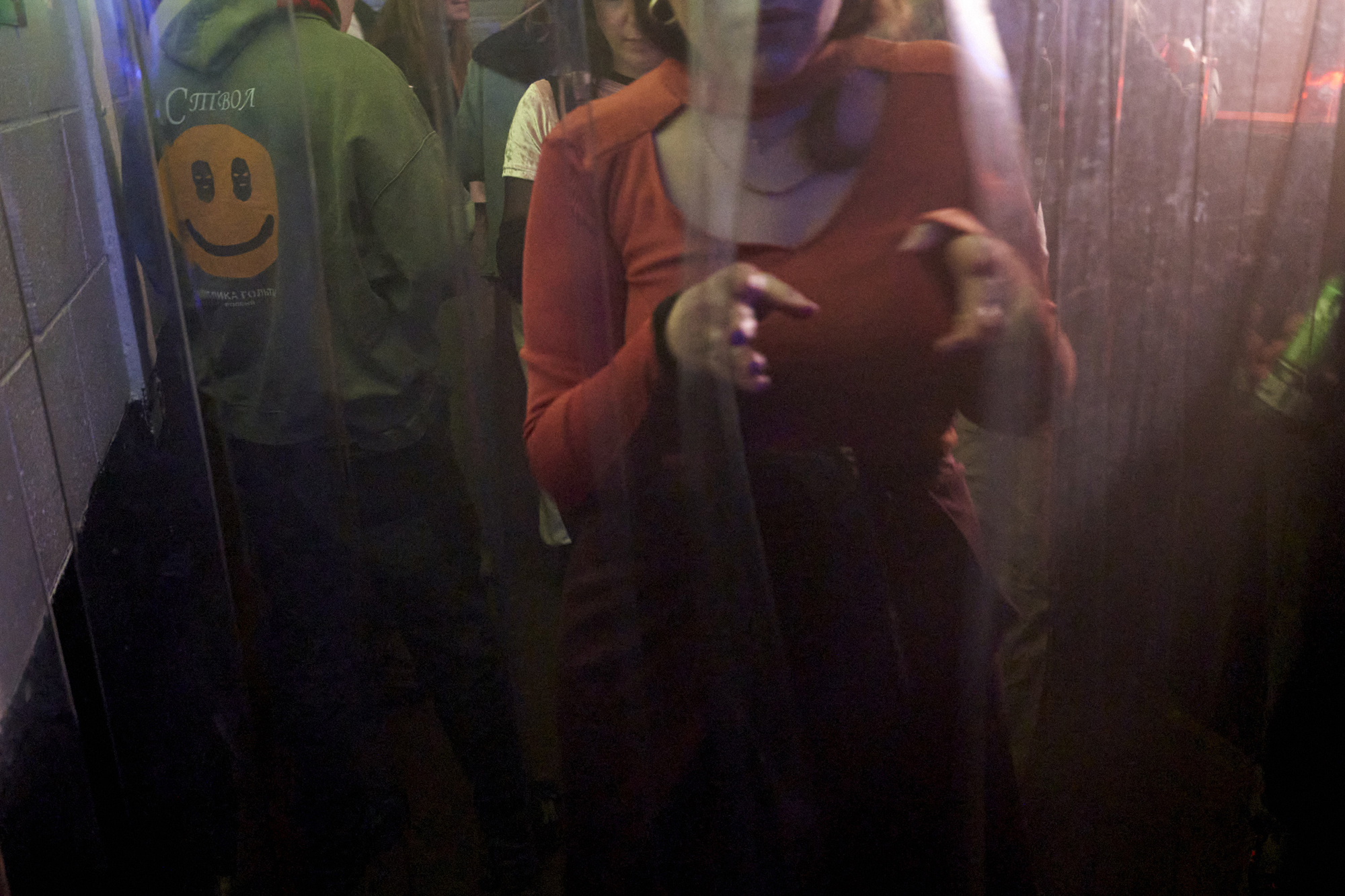
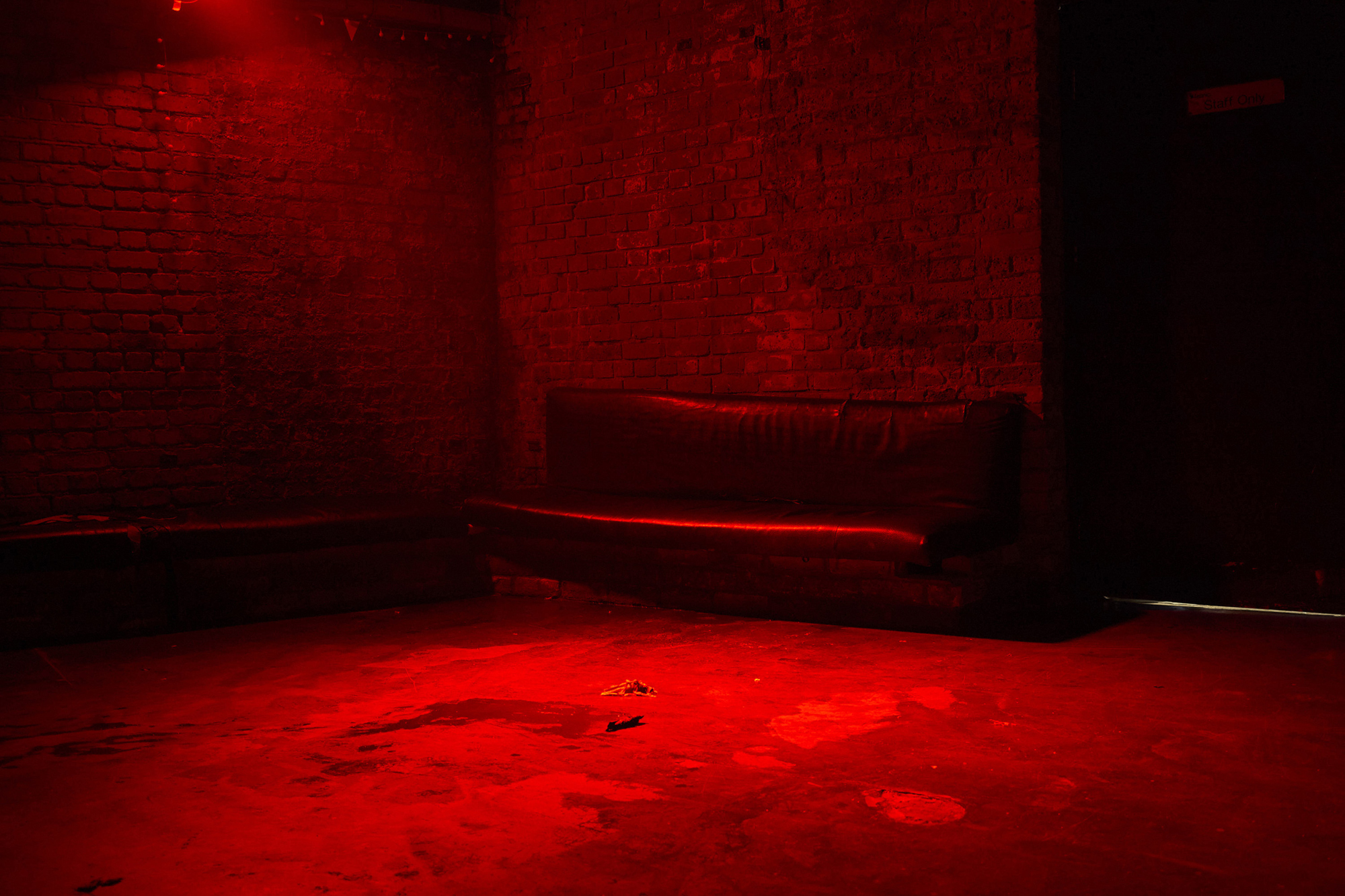
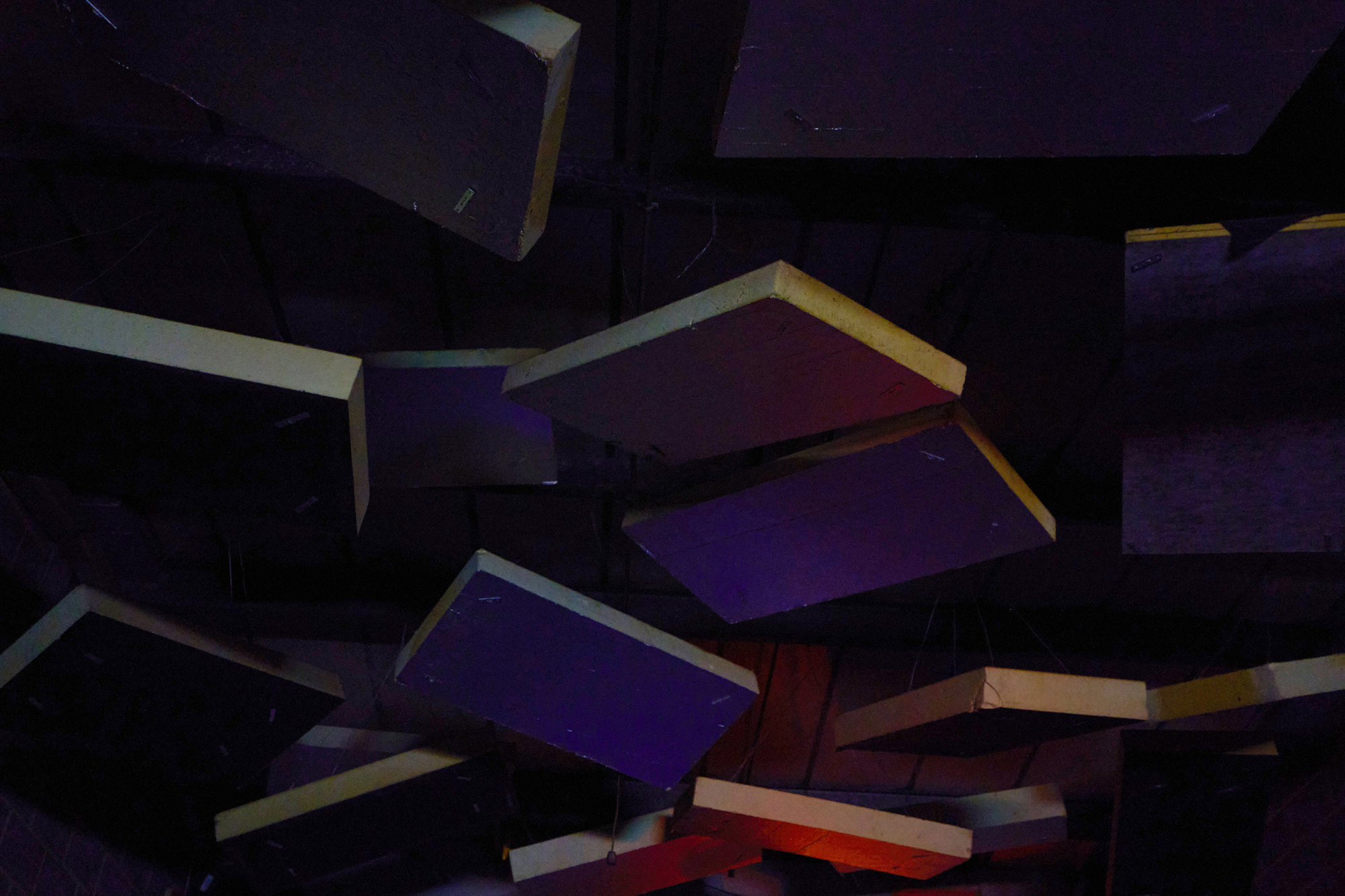
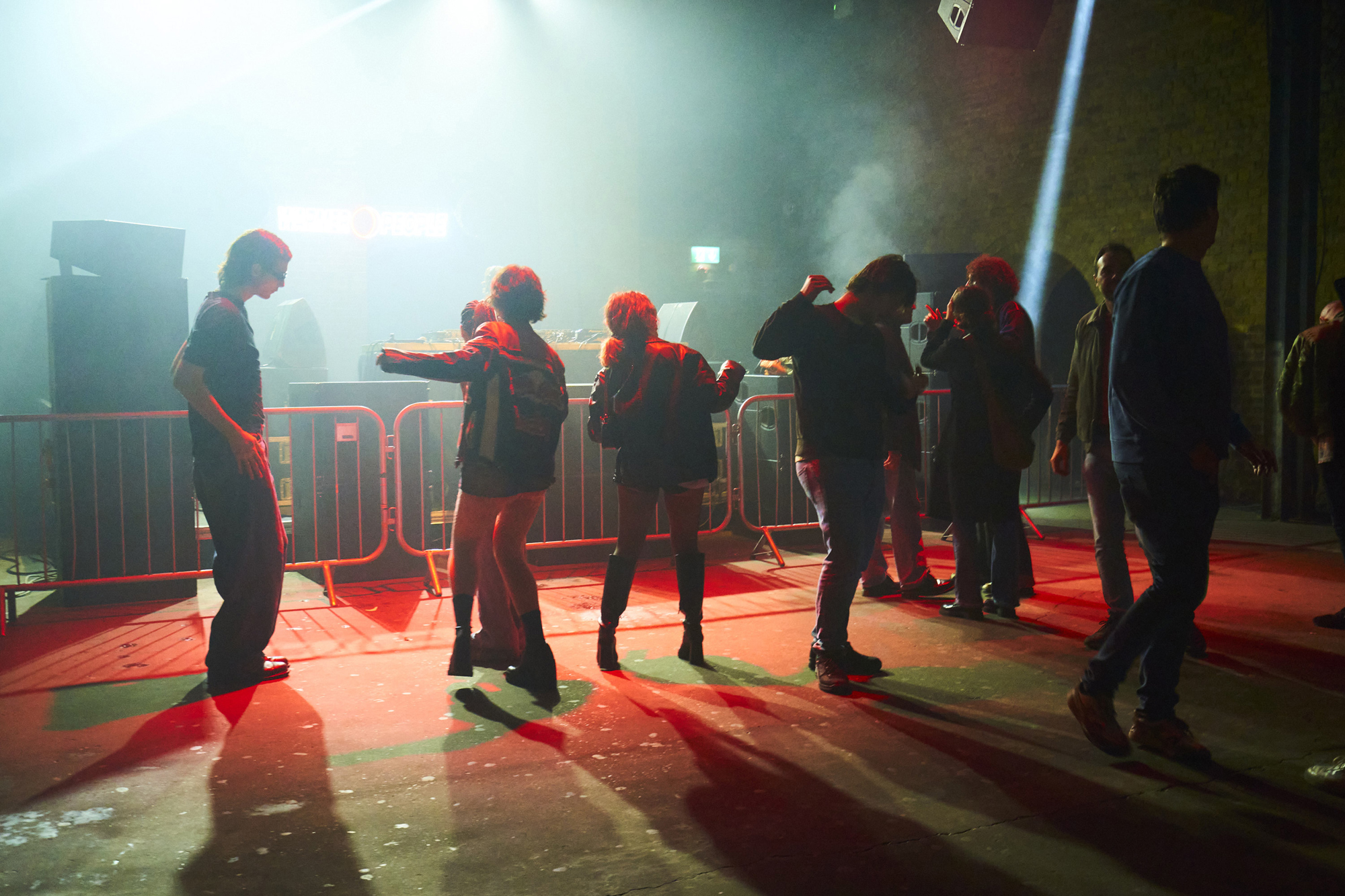
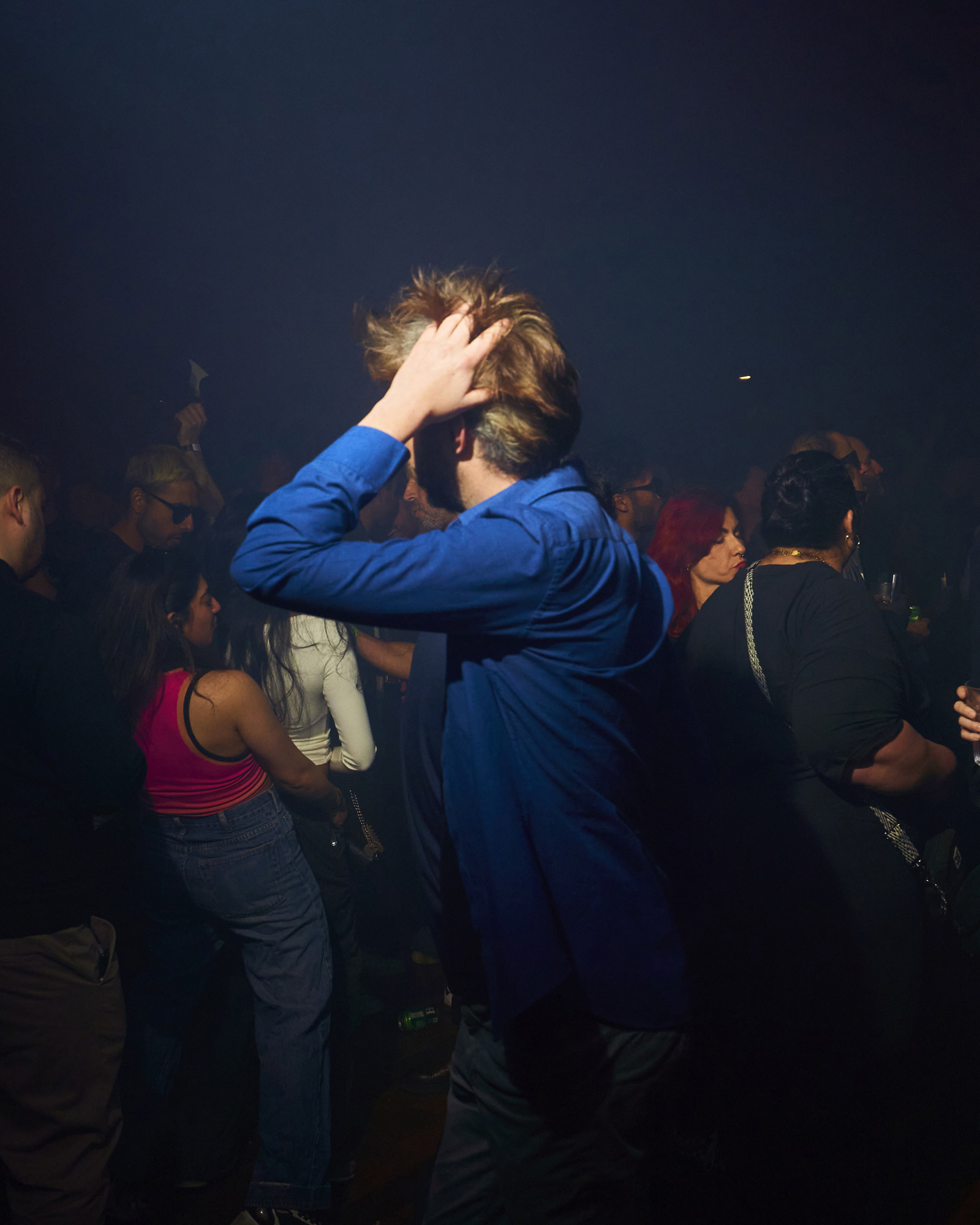
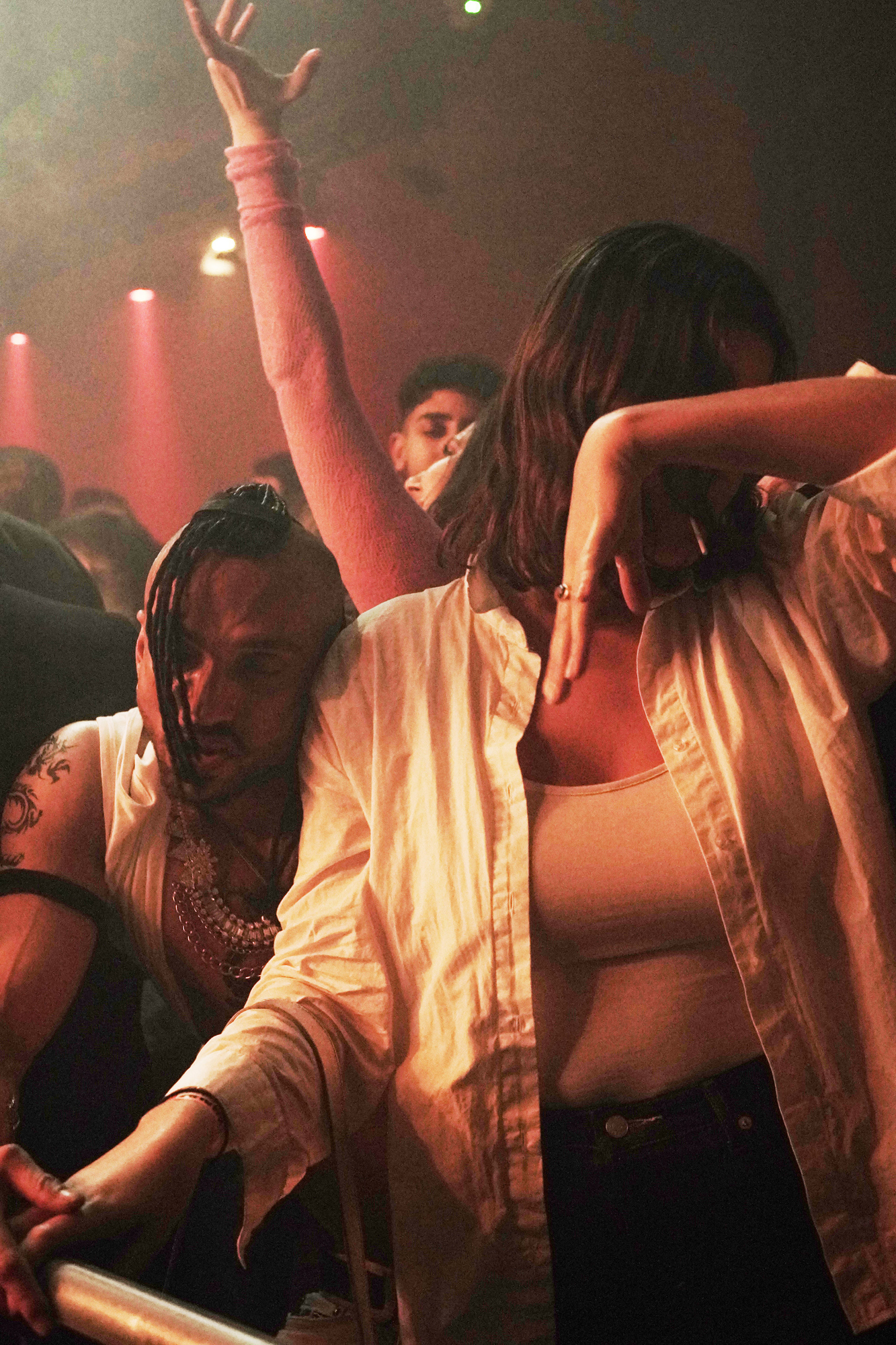
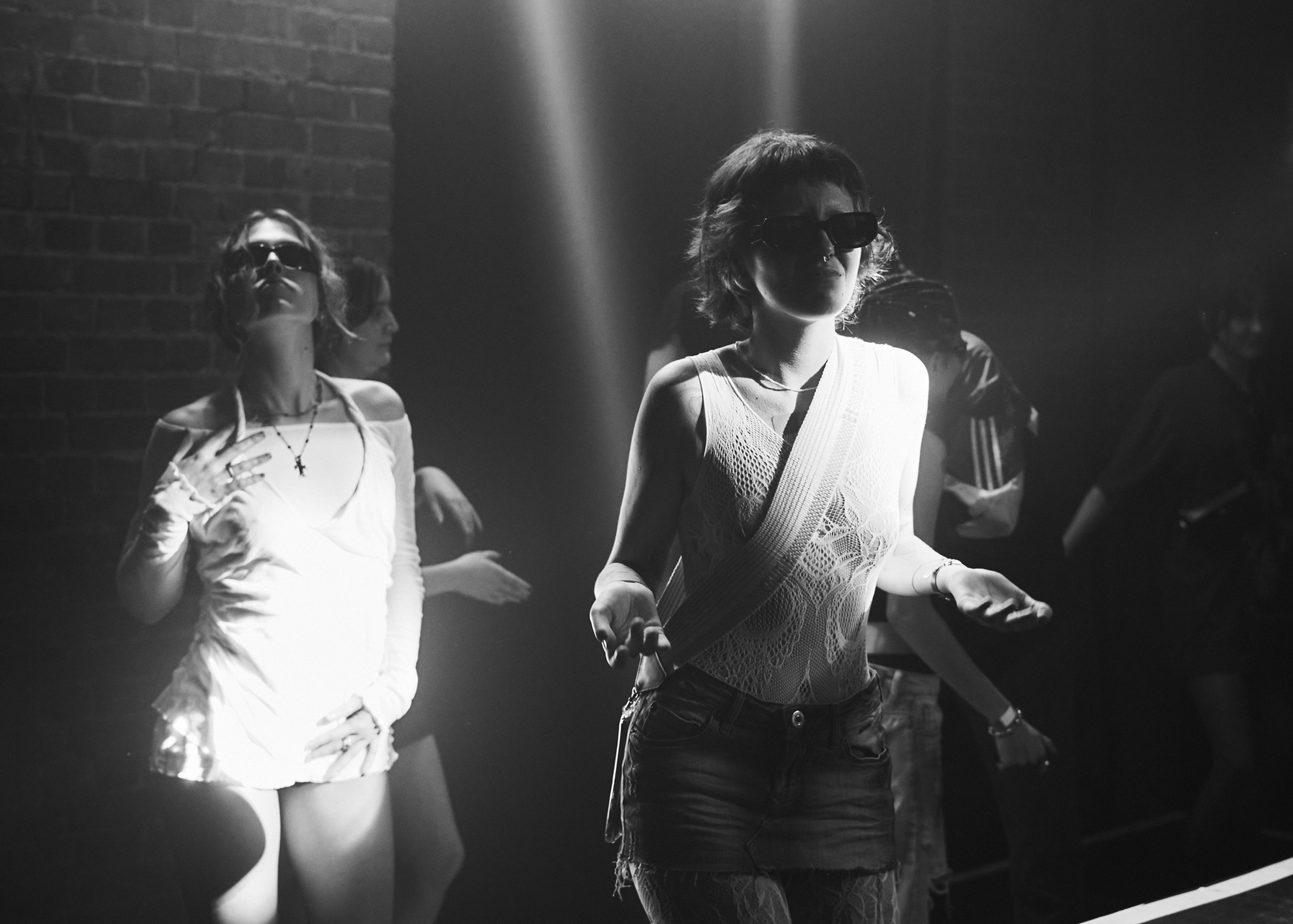
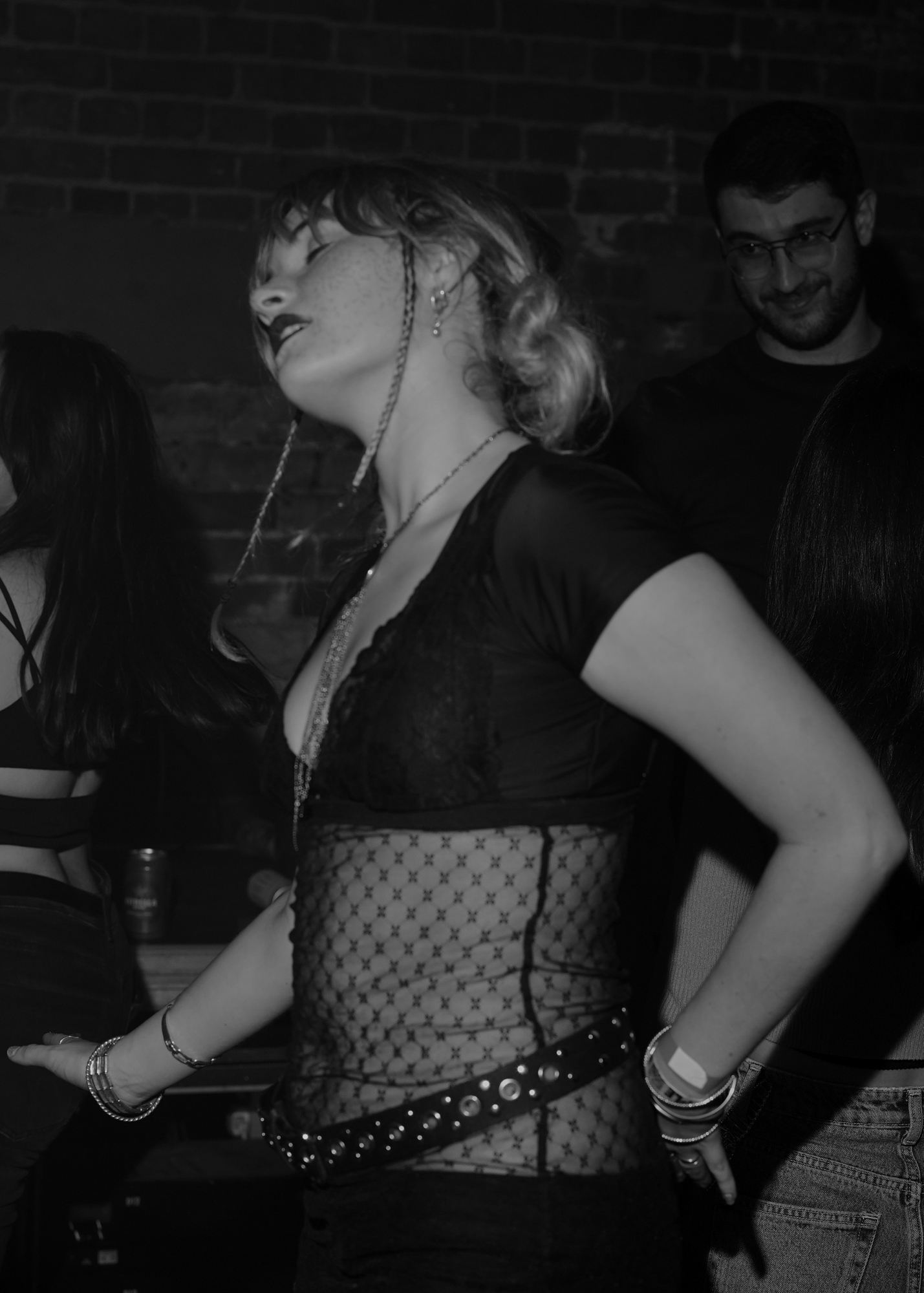
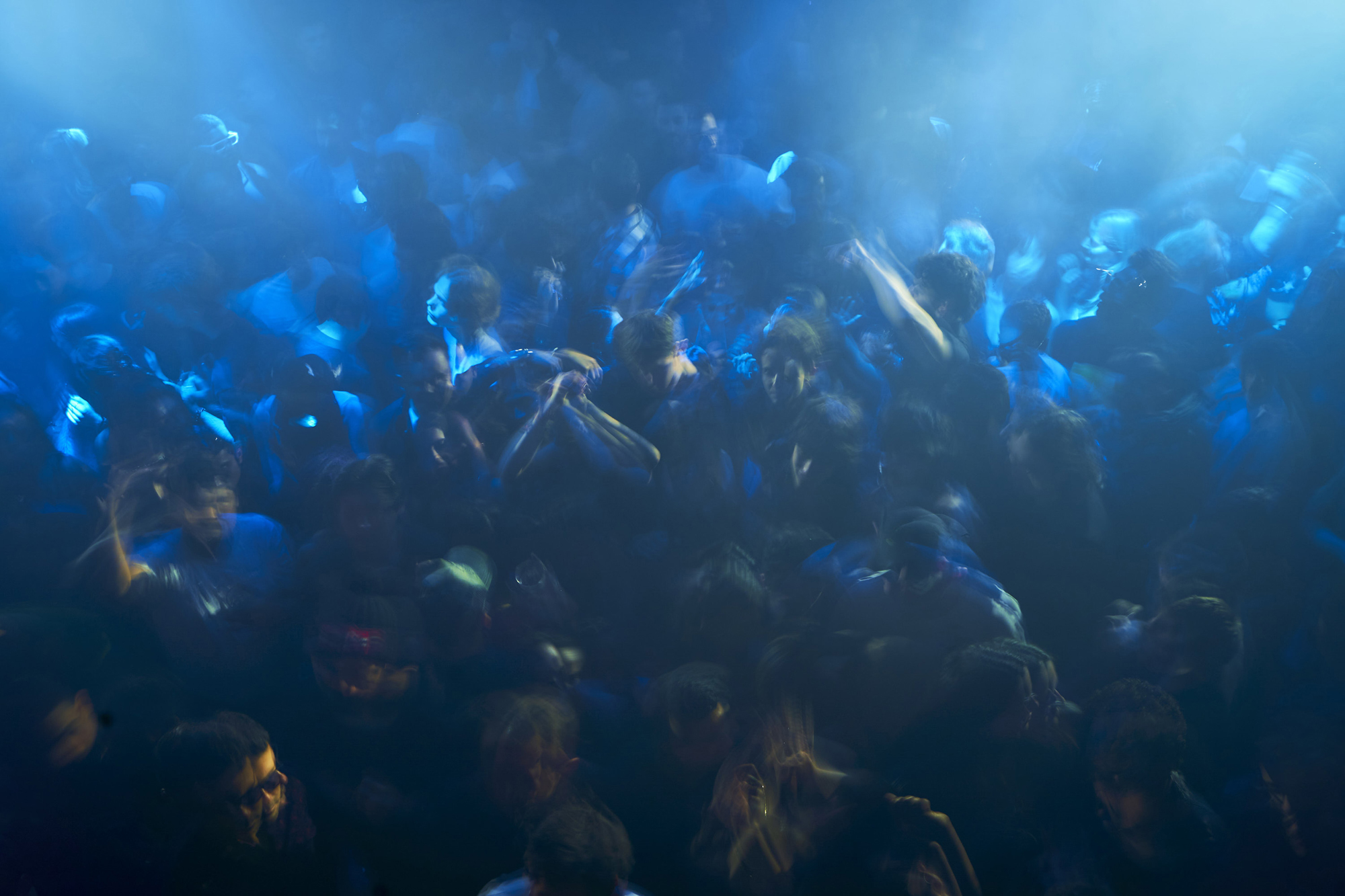
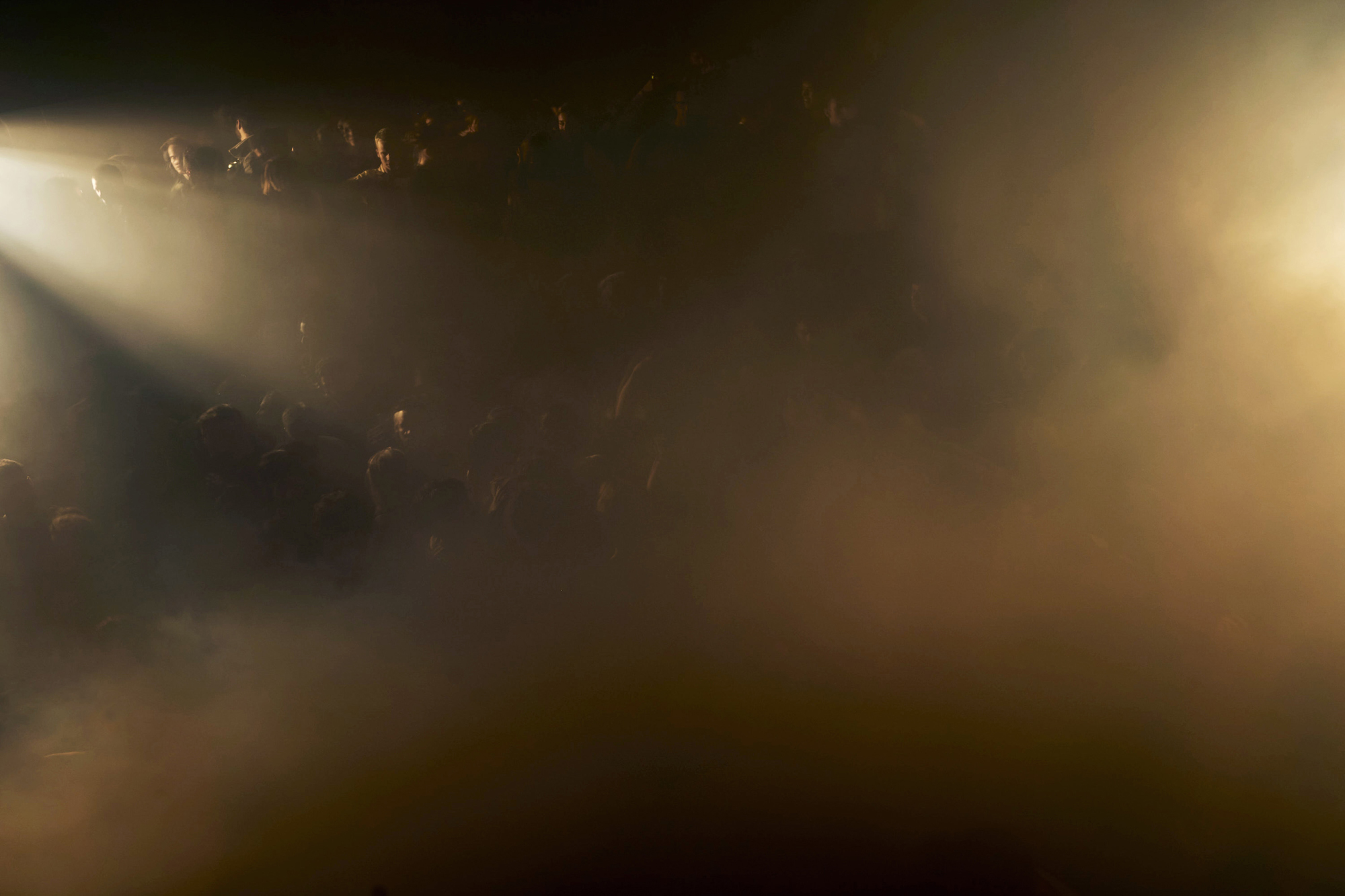
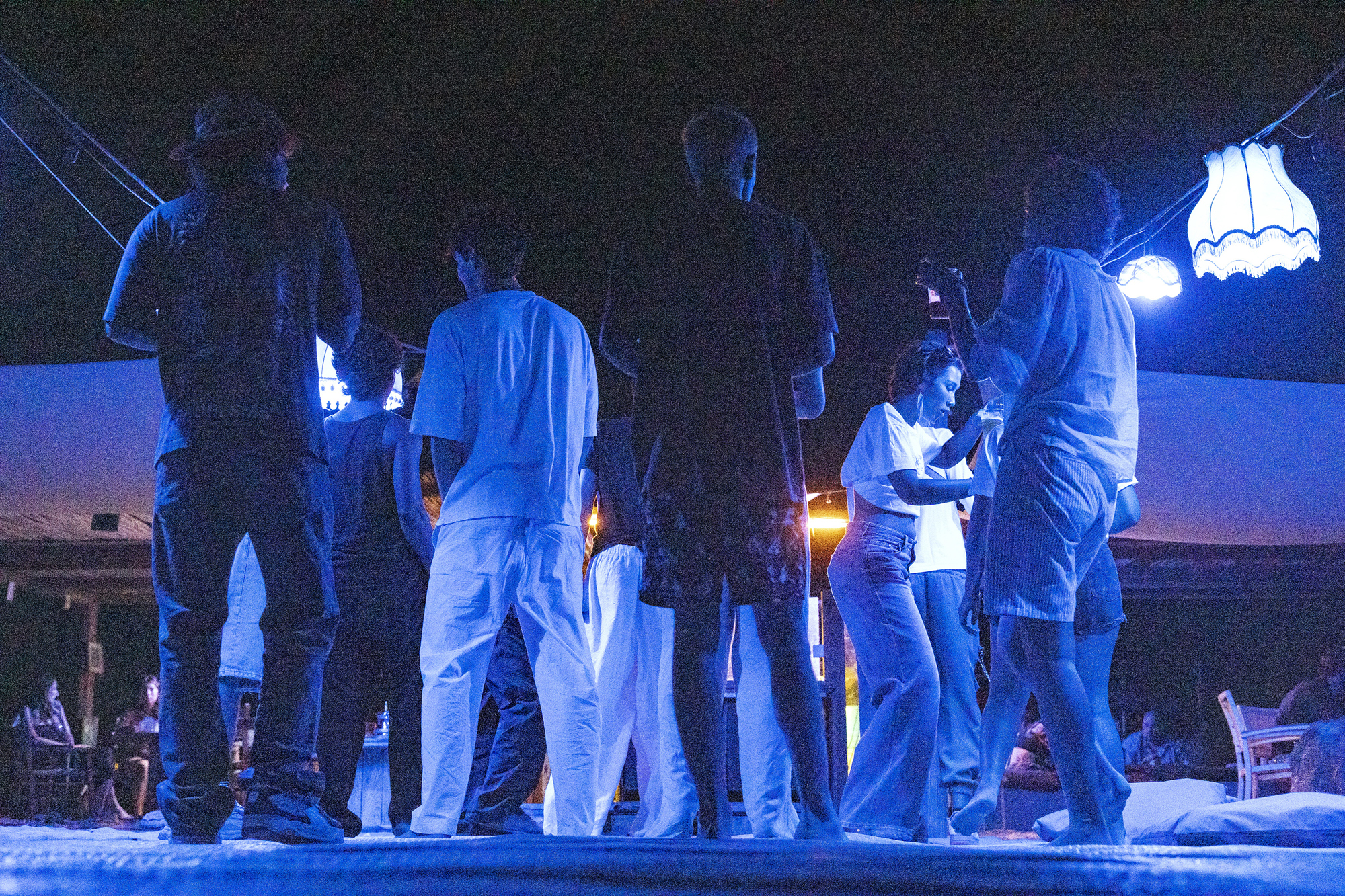
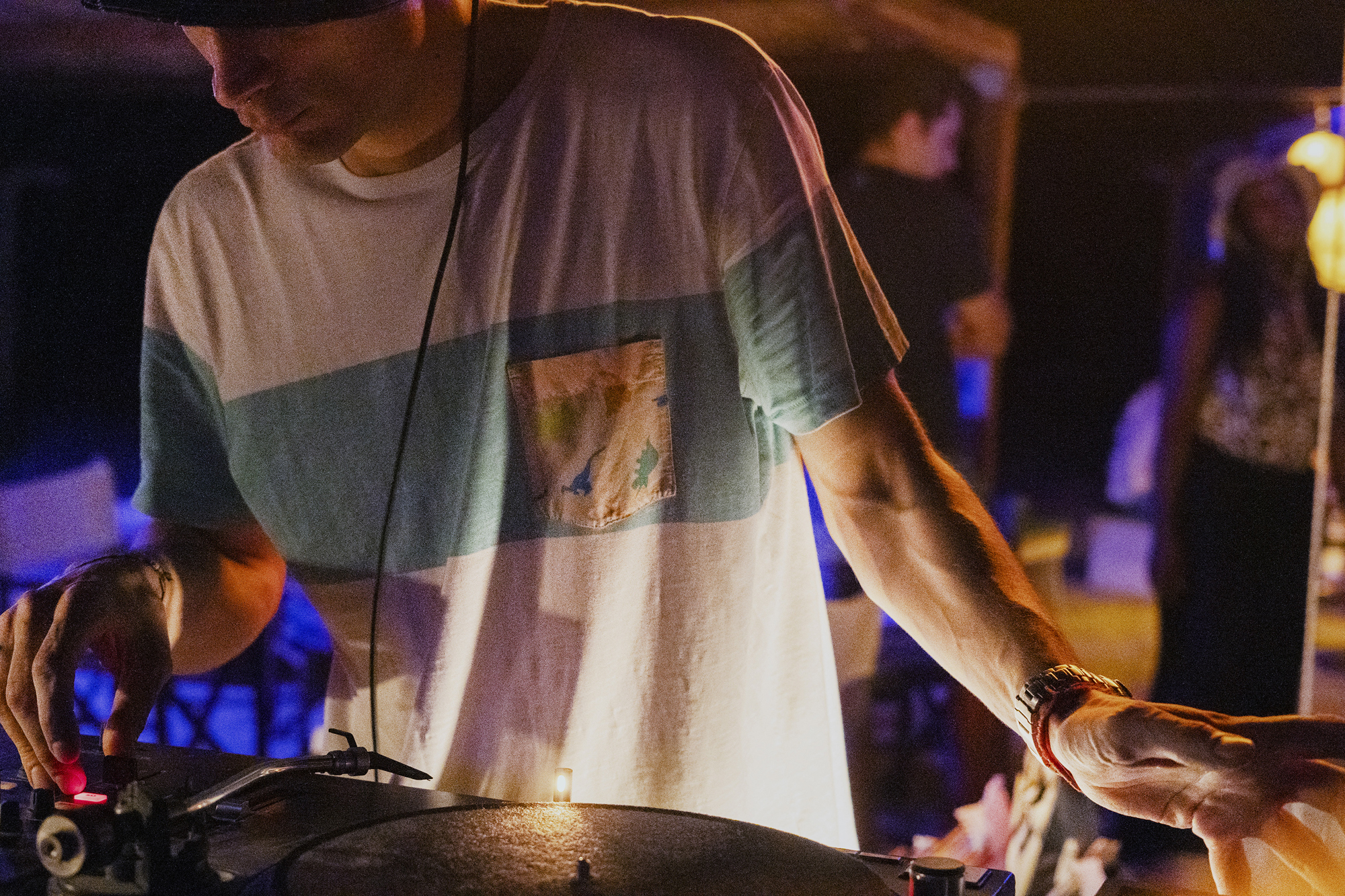
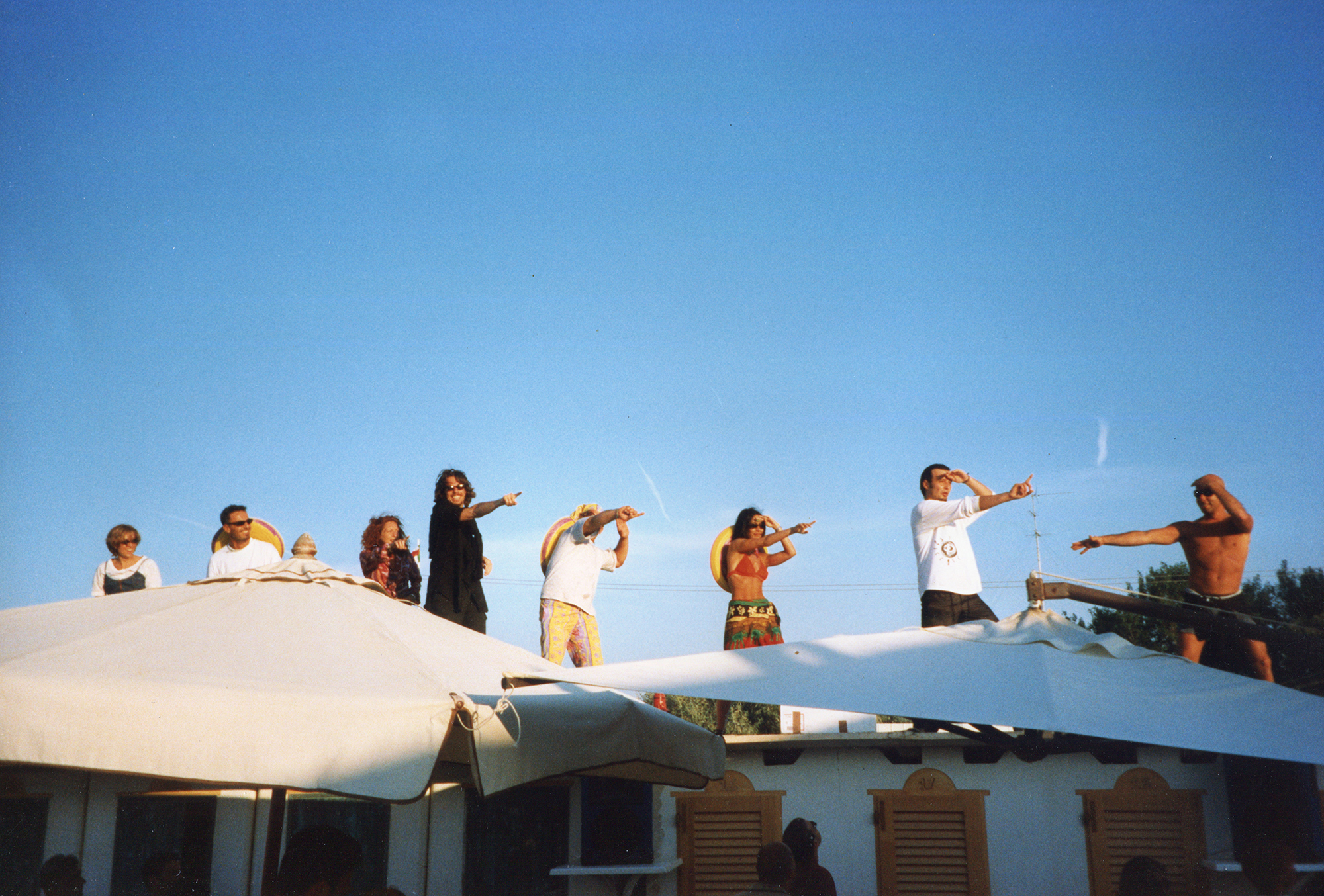
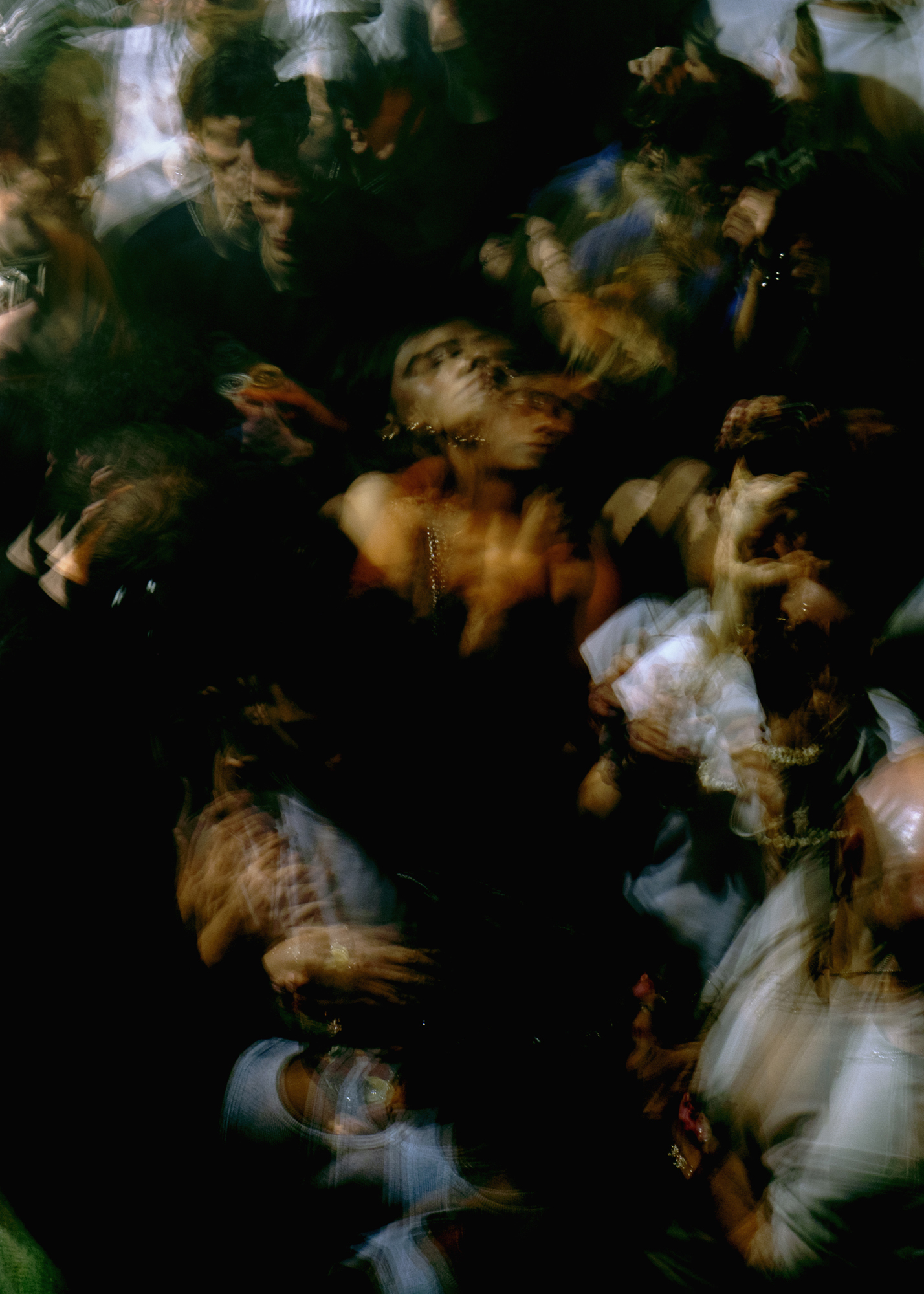
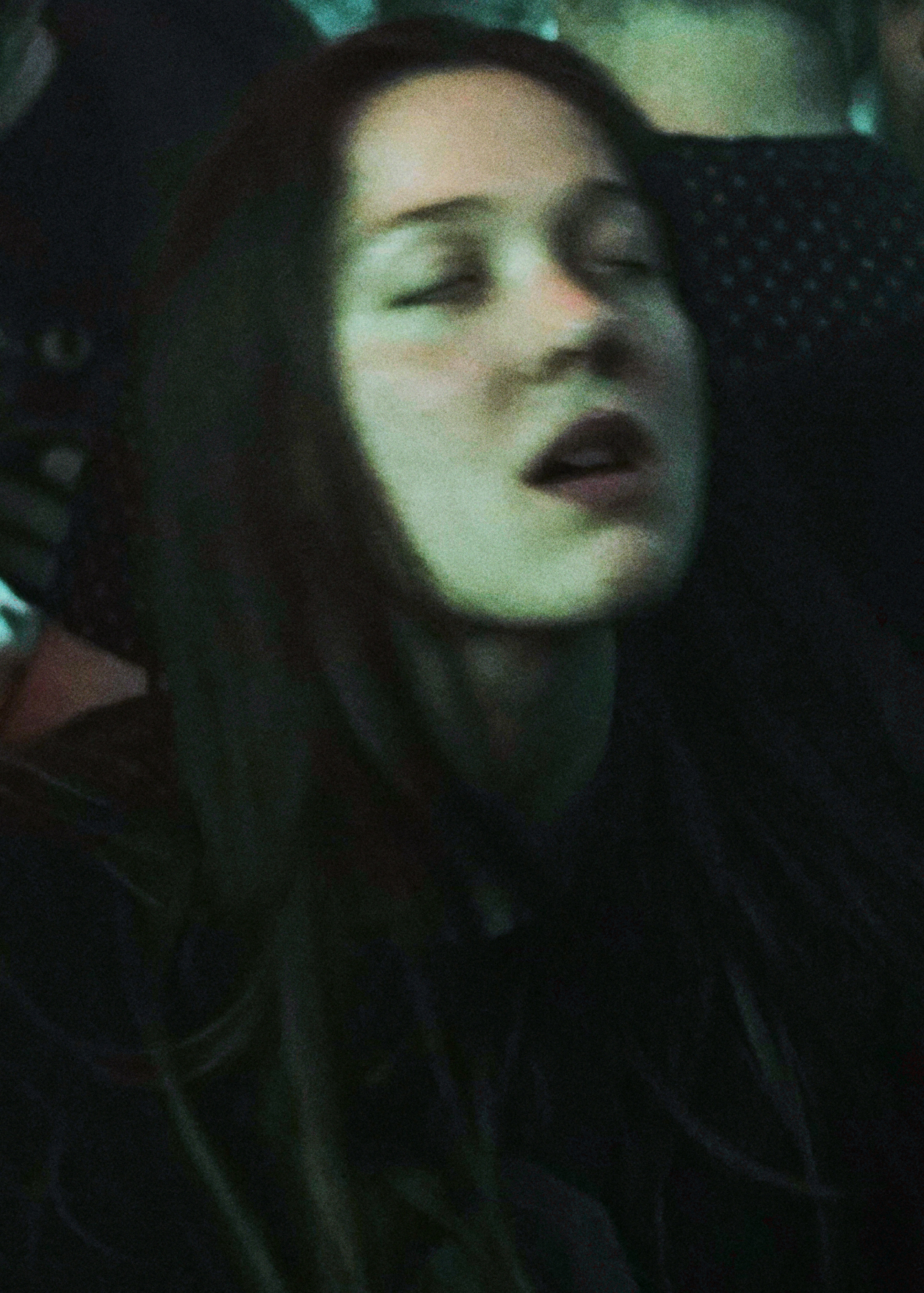
Non ci resta che ballare (All We Can Do Is Dance) is part of a project on contemporary nightlife, exploring the nightclub as a space of emotional intensification and collective transformation.

Through a series of images taken in clubs across Europe, Matteo documents the experience of the night at a historical moment marked by growing instability and uncertainty.

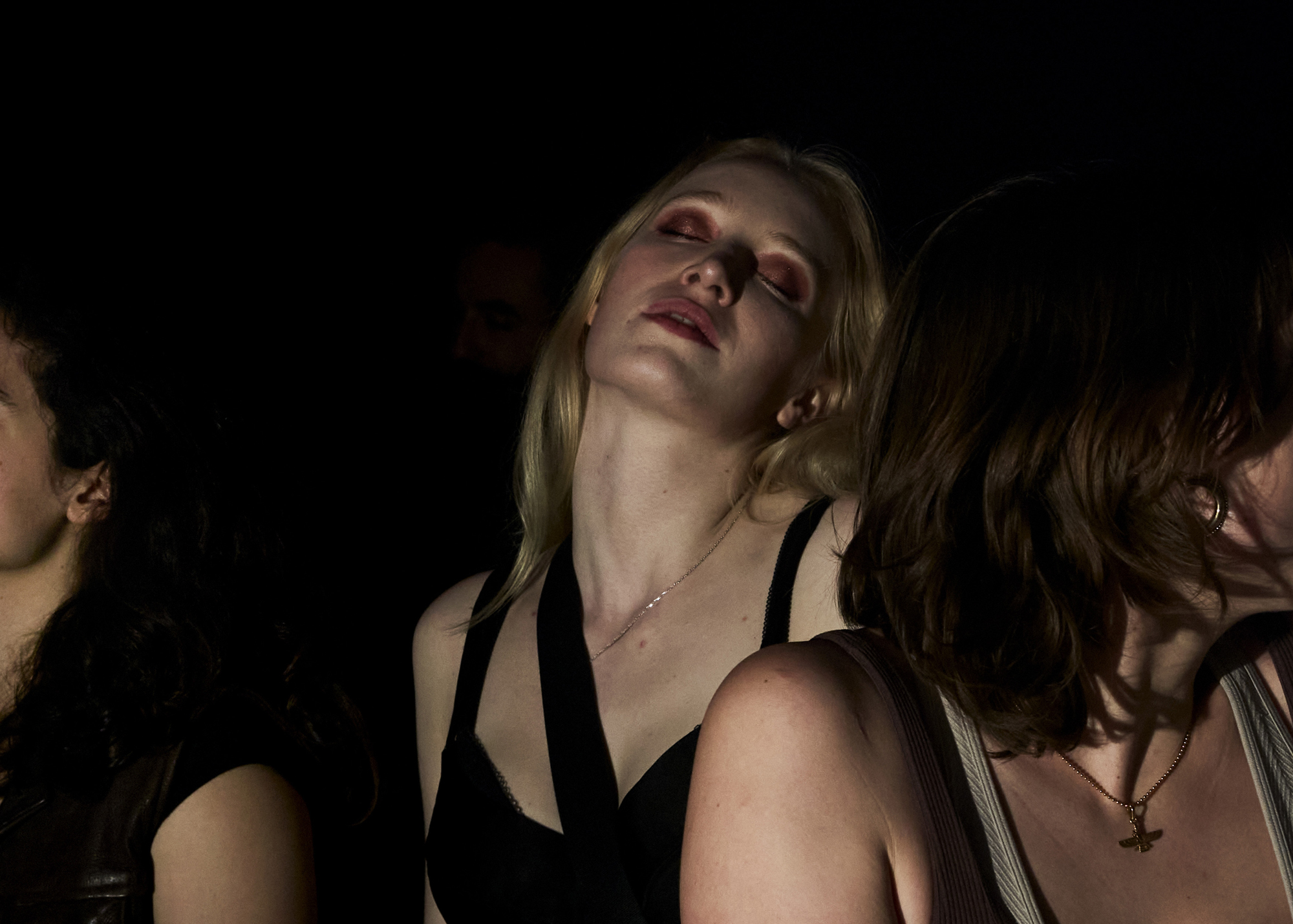
Through music, dance, and intoxication, clubbing is approached as a ritual in which bodies merge into a collective entity, in what Georges Bataille describes as a “gradual process of social and sensual intensification.”

Like a theatre stage, the nightclub offers a space in which individuals voluntarily enter a different perceptual and emotional state, where identities become fluid and a transient form of community emerges.

As brain oscillations gradually synchronise with external rhythms, they generate states of deep sensory absorption akin to trance.

This echoes Adam Safron’s rhythmic stimulation theory, which proposes that music and dance are among the few human experiences capable of rivalling sexual intimacy in their power to entrain neural rhythms and temporarily dissolve the boundaries of the self.

If, on the one hand, the nightclub appears to be a biologically predisposed environment for reaching these liminal states, it is also a place where liberation and regulation subtly coexist by design.

Non ci resta che ballare reflects on the nightclub as a contemporary site of belonging, where the search for freedom is expressed through the body, sensation, and shared presence, not as an absolute condition, but as a temporary, negotiated state.

Ce projet s'inscrit dans une recherche sur la vie nocturne contemporaine, explorant la boîte de nuit comme espace d'intensification émotionnelle et de transformation collective. À travers une série d'images produites dans des clubs à travers l'Europe, le travail examine comment les individus font l'expérience de « la Nuit » dans un moment historique marqué par l'instabilité et l'incertitude.

Le projet aborde le clubbing comme un processus rituel — ce que Georges Bataille décrit comme un « processus graduel d'intensification sociale et sensuelle » — où les corps, à travers la musique, la danse et l'intoxication, se fondent en une entité collective.

À l'image d'une performance théâtrale, la boîte de nuit construit une réalité dans laquelle les individus entrent volontairement dans un état perceptif et émotionnel différent. Dans cet espace, les identités deviennent fluides et une forme transitoire de communauté émerge, façonnée par la sensation partagée et la présence collective — ce que Victor Turner nomme un moment d'anti-structure.

Cette dissolution de soi dans le collectif trouve un écho inattendu dans les neurosciences. Dans ses recherches sur les mécanismes de l'orgasme, Adam Safron propose que la stimulation rythmique — qu'elle soit sexuelle ou musicale — produit un phénomène d'entraînement neuronal : les oscillations cérébrales se synchronisent progressivement avec le rythme externe, générant des états d'absorption sensorielle profonde proches de la transe. Musique et danse, selon Safron, sont parmi les seules expériences humaines capables de rivaliser avec l'intimité sexuelle dans leur pouvoir à entraîner les rythmes neuronaux et à dissoudre temporairement les frontières du moi. La boîte de nuit apparaît ainsi comme un environnement biologiquement et collectivement conçu pour atteindre ces états limites.

Pourtant, comme le suggère Michel Foucault, la liberté ne s'exerce pas en dehors des systèmes de pouvoir, mais en leur sein. La boîte de nuit devient ainsi un environnement où libération et régulation coexistent subtilement.

Ce projet réfléchit à la boîte de nuit comme un lieu contemporain d'appartenance, où la recherche de liberté se manifeste à travers le corps, la sensation et la présence partagée — non pas comme une condition absolue, mais comme un état temporaire et négocié.

010203 040506 070809 101112 1314

These are just a few images from a larger project. Ce ne sont que quelques images d’un projet plus large.

Site-specific project in two acts and a final Projet site-specific en deux actes et un final

LocationLieu

Lido di Spina, Ferrare

DateDate

Summer 2023 · Summer 2024Été 2023 · Été 2024

FormatFormat

Temporary public space, installation, performance Espace public temporaire, installation, performance

PracticesPratiques activées

Music, photography, live painting, crafts, installation, performance Musique, photographie, live painting, artisanat, installation, performance

Performative repriseReprise performative

Comandini Theatre, Cesena — final exam École de Conia Théâtre Comandini, Cesena — examen final École de Conia

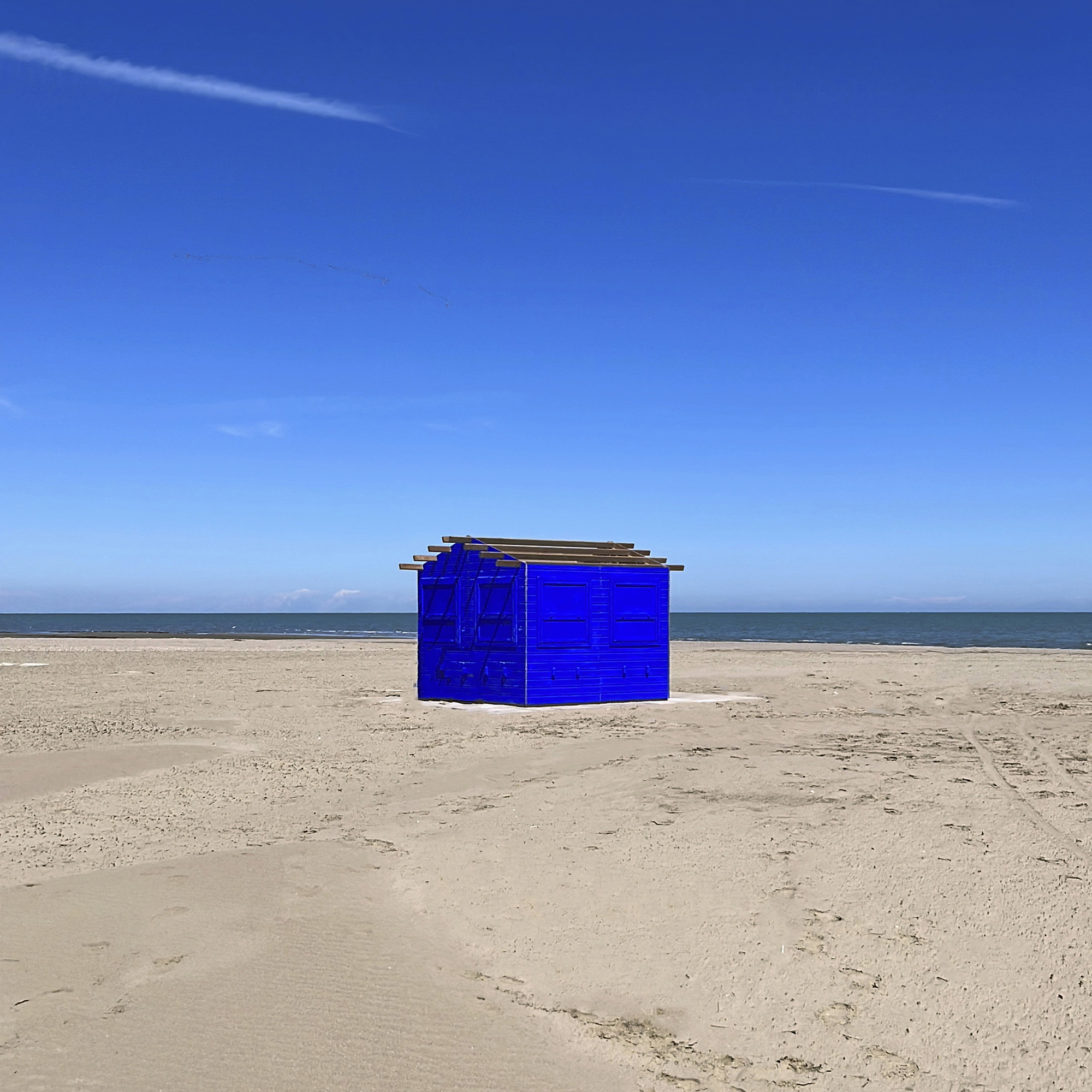
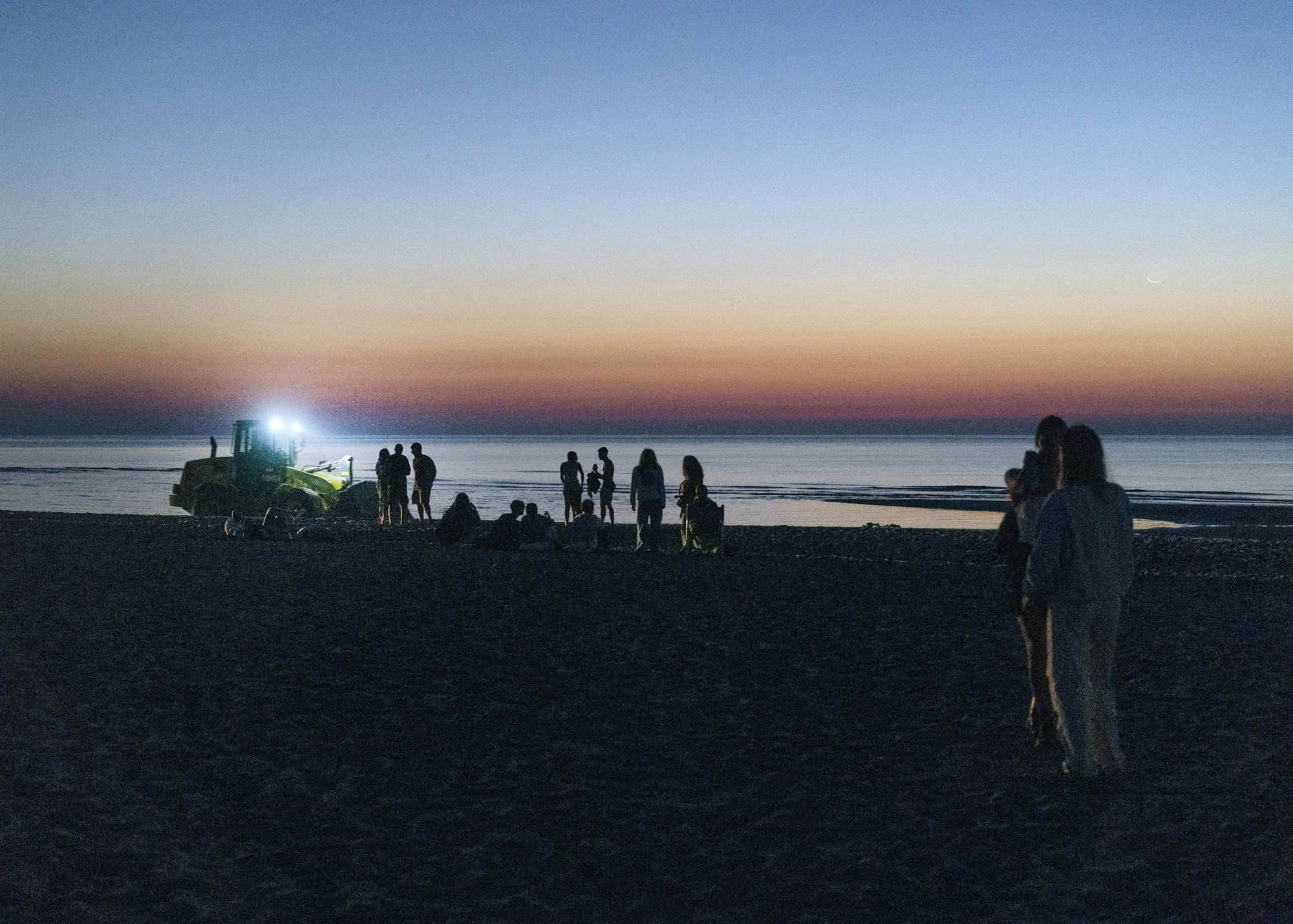
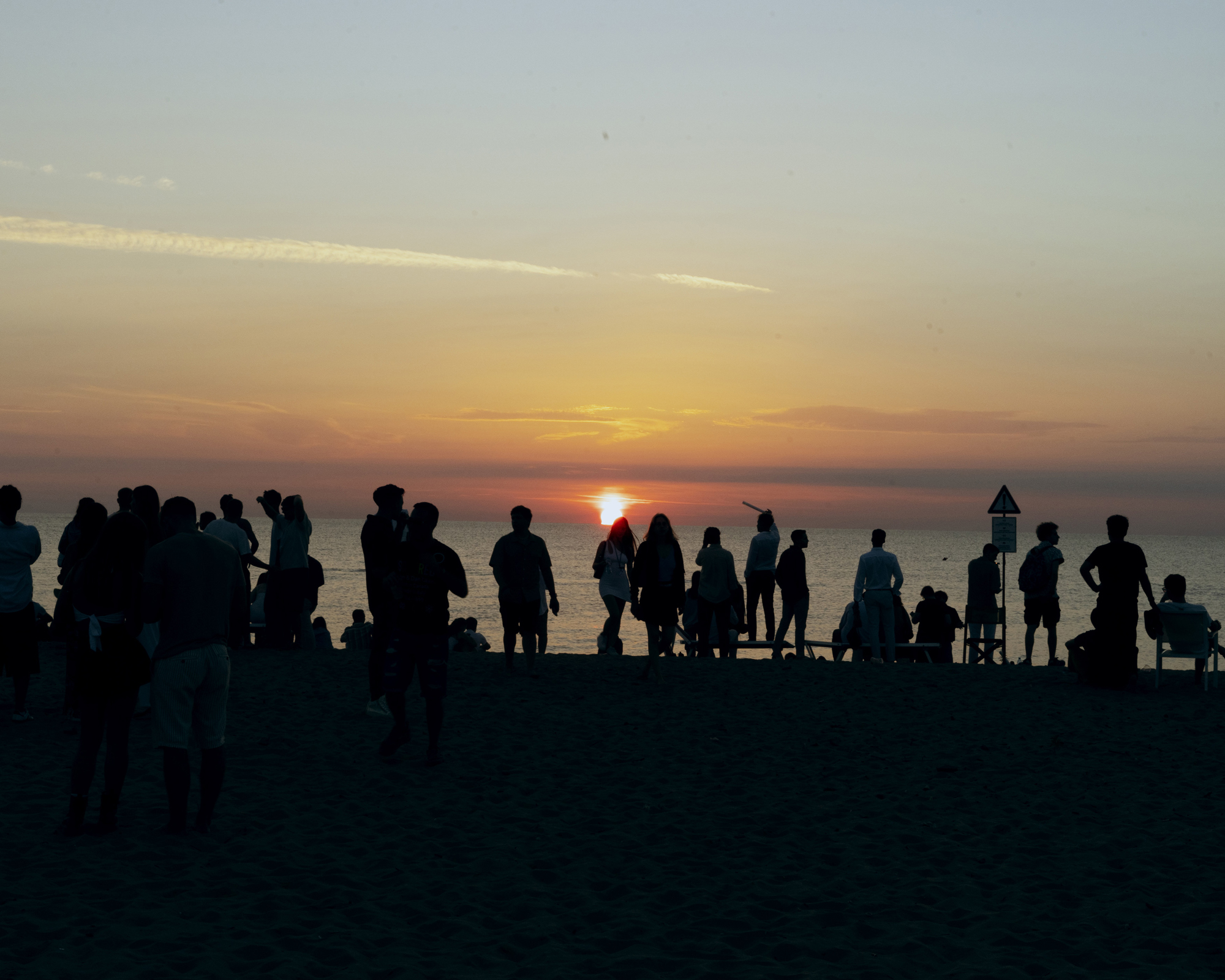
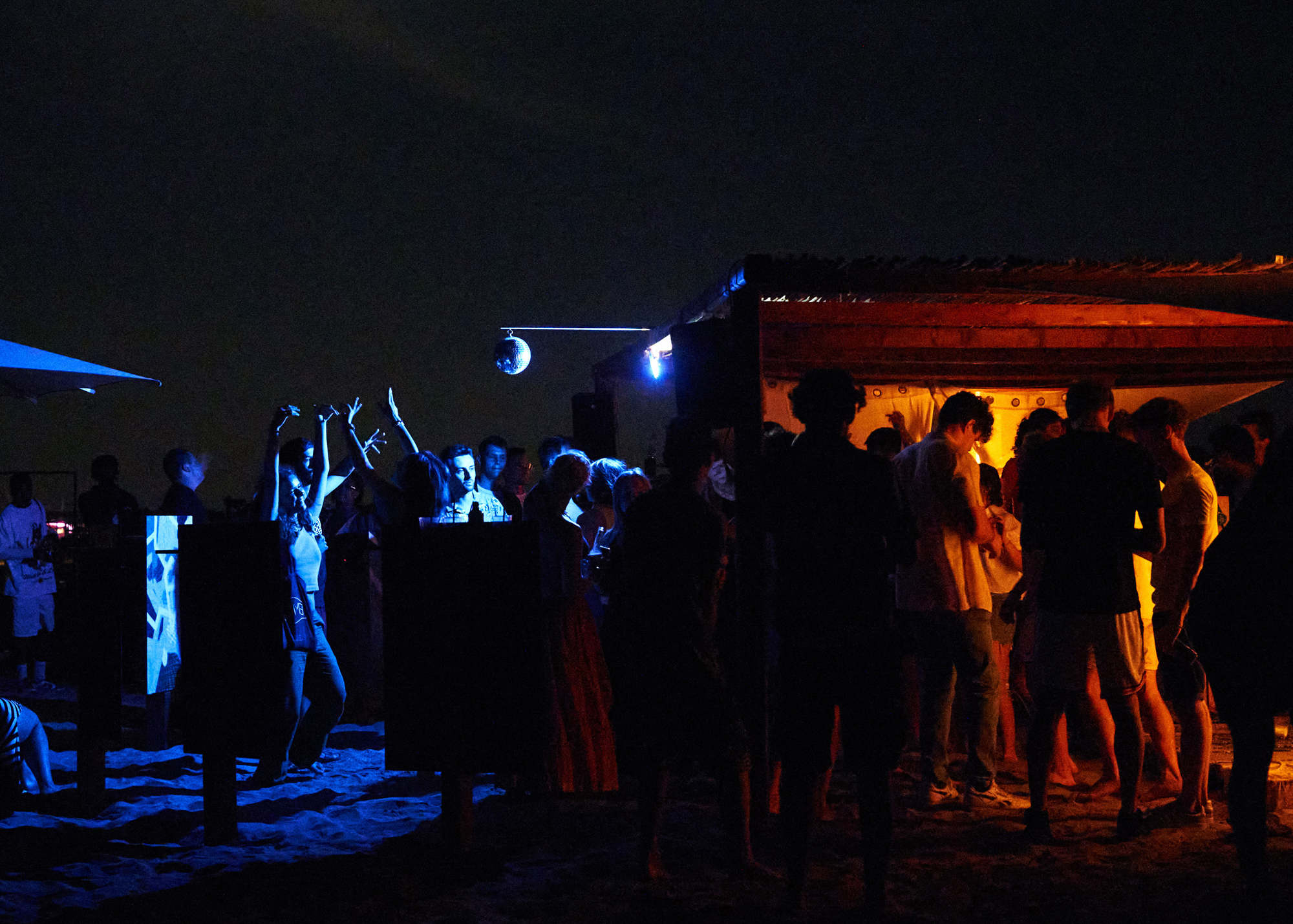
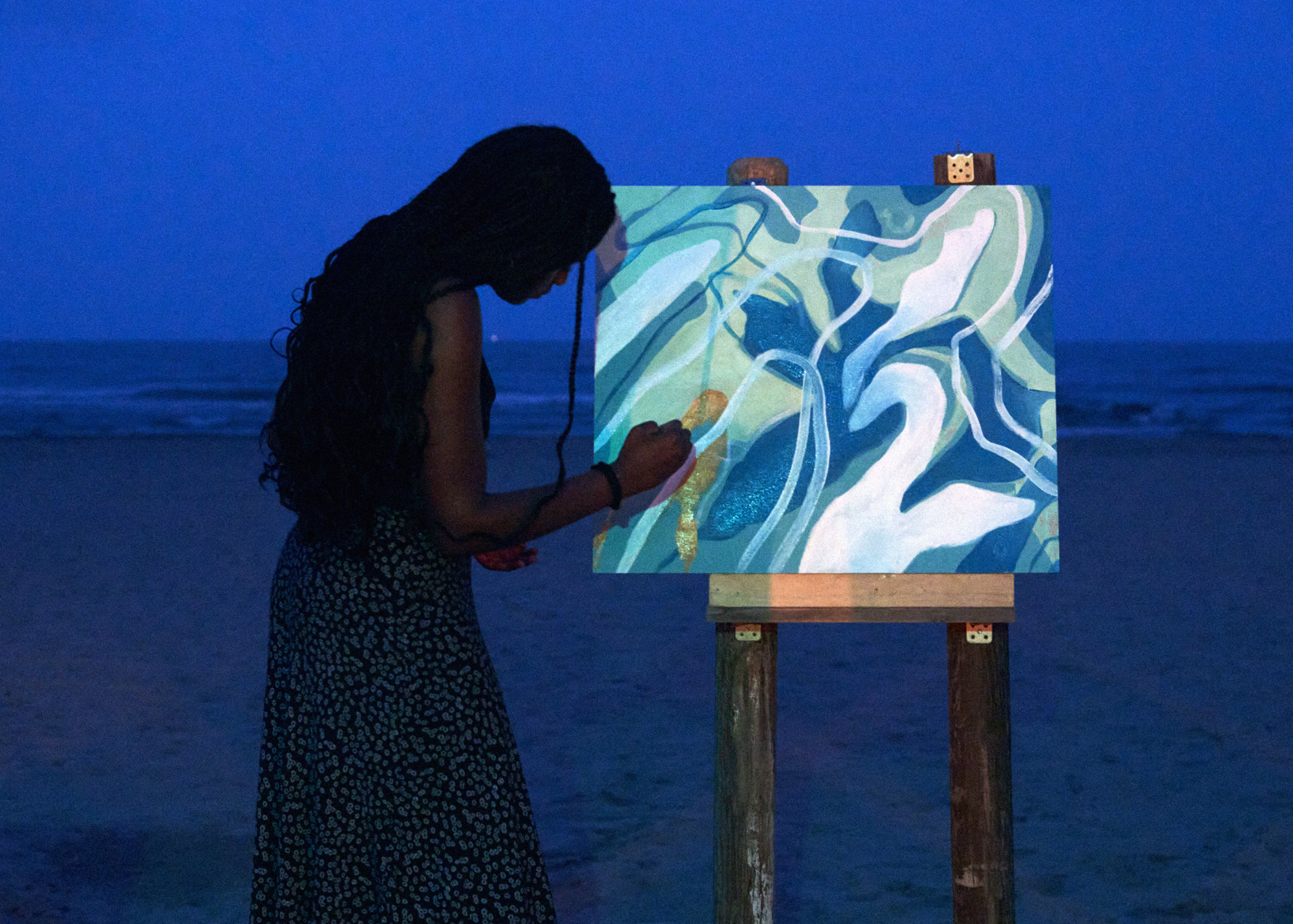
Chiosco Blu was a public space project activated during the summers of 2023 and 2024 in Lido di Spina, on the Italian Riviera near Ferrara. Chromatically defined by Klein Blue, a colour known for neutralising depth and opening the gaze towards infinity, the kiosk functioned as a hybrid structure: part cultural venue, part social device, and part experimental ground. It was a space removed from the logic of consumption and provincial judgement; a place to exhibit, listen, dance, meet, and experiment without asking for permission.

I · 2023 — La cabine de Despina

The inaugural year of Chiosco Blu unfolded around a narrative figure: a traveller lost in the desert who finds a new home that welcomes him. The image is Calvinoesque: Despina, the city that changes shape depending on the direction from which it is approached, orienting the entire season towards a poetics of unconditional hospitality. The kiosk became a point of arrival for those seeking a space beyond the established maps of the territory.

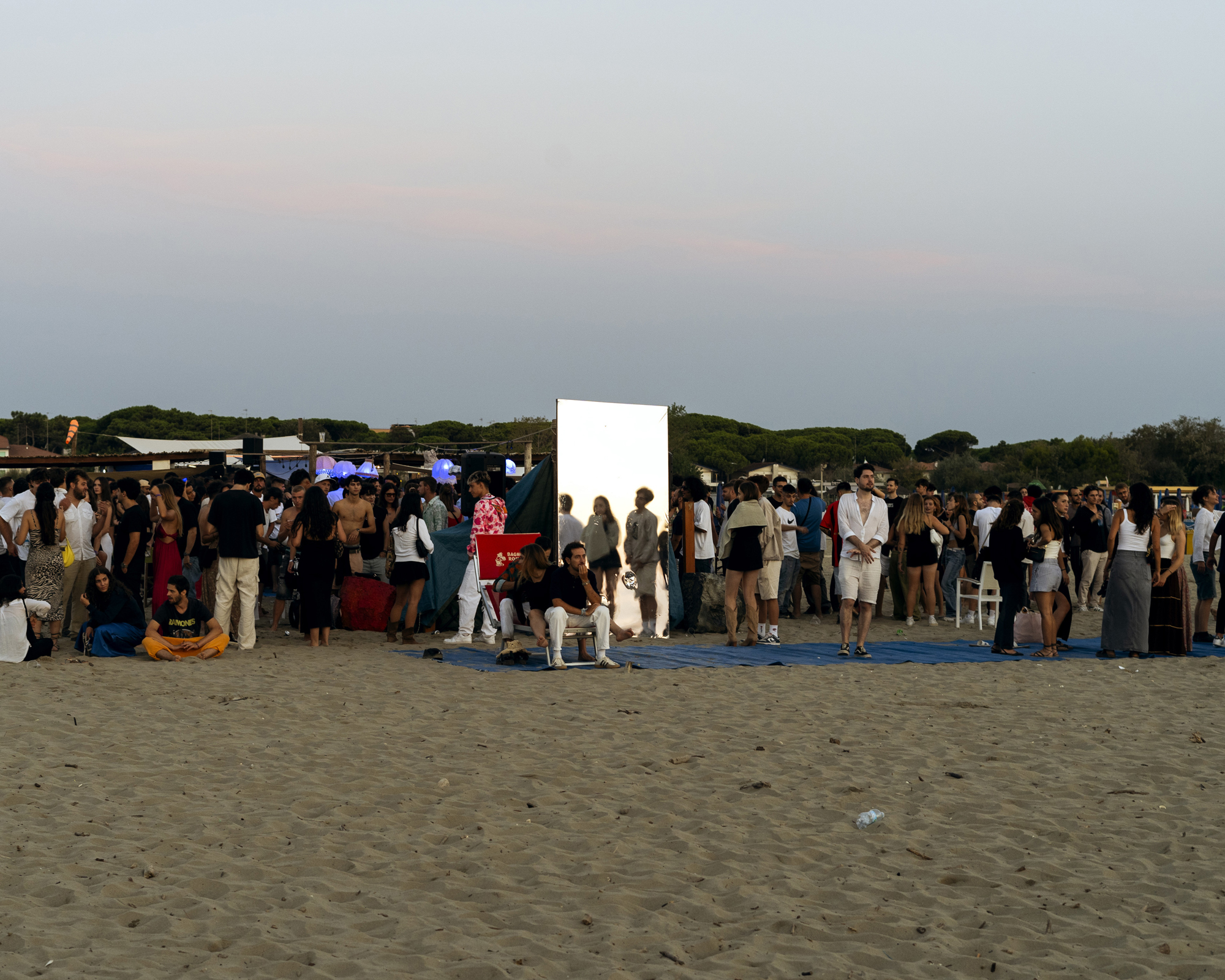
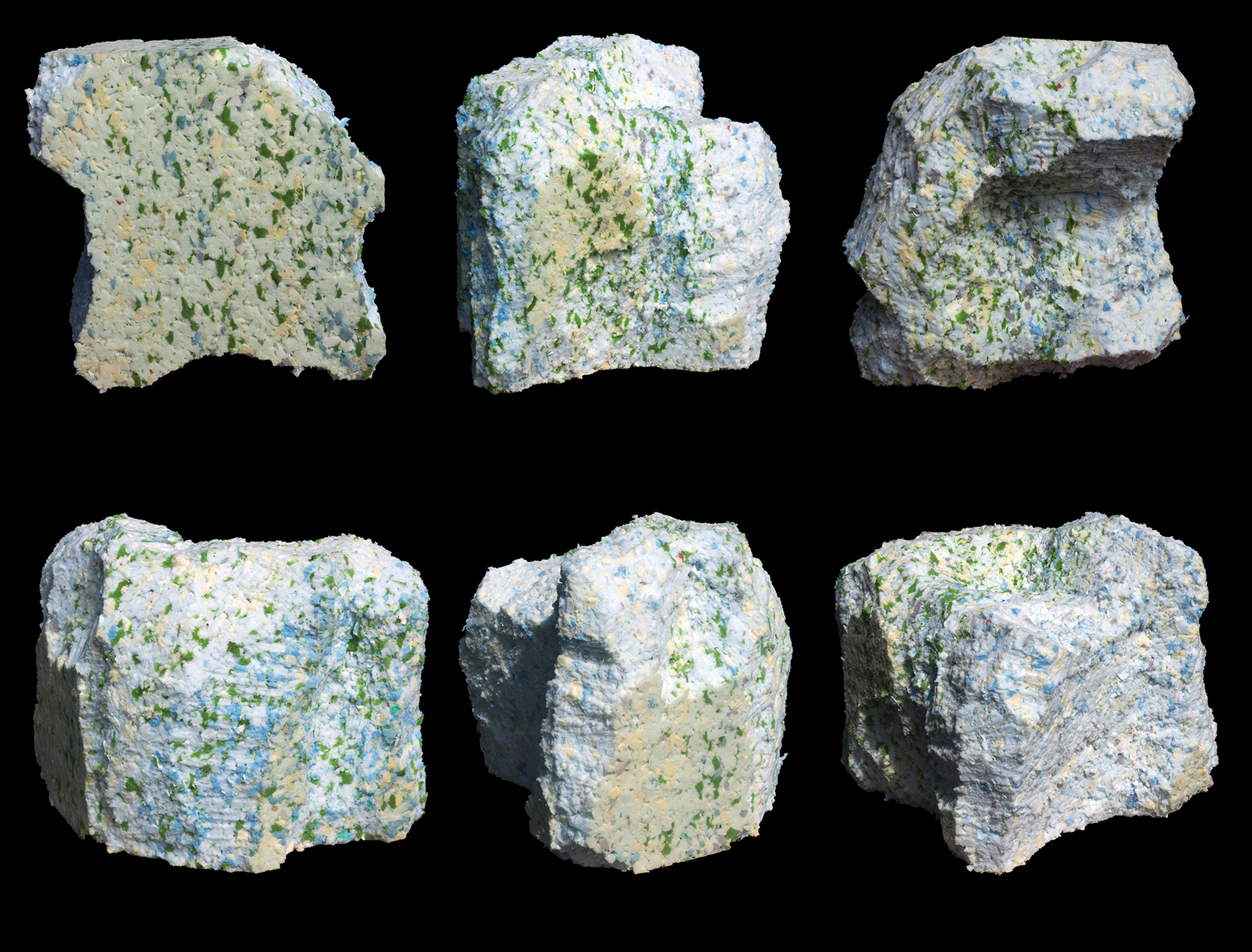
This first year explored the tension between duration and intensity through musical evenings that crossed genres without hierarchy, photography exhibitions, live painting sessions by the sea, and sculptural installations inhabited by mirrors and rock-shaped chairs. Experimentation extended to time itself: parties lasting until dawn, music showcases unfolding in the wind, under the rain, and through sandstorms, with the elements becoming part of the work's form.

"A traveller lost in the desert finds a new home that welcomes him."
— opening story, summer 2023

II · 2024 — Darna

Darna means “home” in Arabic. The second year extended Chiosco Blu’s perimeter by embracing the aesthetics and traditions of the wider Southern Mediterranean: mint tea as a shared ritual, large Moroccan divans as an architecture of hospitality, and fabrics and objects carrying the memory of other places within them. The project emerged from a deliberate process of cultural exchange, building an environment in which familiarity became accessible to those arriving from afar, while those who had grown up here could encounter something previously unfamiliar. A place where sharing space precedes the representation of the other.

Final Act — Freedom is temporary, or it is compromised

Chiosco Blu concluded with a performative act: the kiosk was set on fire. Not as a symbol of destruction, but as a personal statement. Two summers of freedom—through music, dance, art, encounters between strangers and locals, rain, and dawn—had demonstrated that such a space could exist and thrive.

Yet the Italian province rarely allows free things to endure. In certain contexts, freedom survives only long enough to consume itself, or insofar as it accepts being tamed. It exists only as something temporary or compromised. We chose the former. The fire was the only coherent ending: radical, irreversible, beautiful. Not a capitulation, but a signature.

The performance was later reprised at the Comandini Theatre in Cesena as the final project of the École de Conia, where the site-specific gesture was transposed into theatrical language and returned to the institution as the document of a brief yet complete existence.

Chiosco Blu est un projet d'espace public temporaire actif durant les étés 2023 et 2024 au Lido di Spina, sur la côte de Ferrare. Identifié chromatiquement par le bleu Klein — couleur qui annule la profondeur et ouvre vers l'infini — le kiosque a fonctionné comme une structure hybride entre lieu culturel, dispositif social et terrain d'expérimentation. Un espace soustrait à la logique de la consommation et au jugement provincial : un endroit pour exposer, écouter, danser, se rencontrer et expérimenter sans demander la permission.

I · 2023 — La cabine de Despina

La première année s'ouvre sur une figure narrative : un voyageur égaré dans le désert trouve une nouvelle maison qui l'accueille. L'image est calvinienne — Despina, la ville qui apparaît différente selon d'où on la regarde — et oriente toute la saison vers une poétique de l'accueil inconditionnel. Le kiosque comme point d'arrivée pour ceux qui cherchent un espace en dehors des cartes établies du territoire.

Sur le plan des activités, 2023 a exploré la tension entre durée et intensité : soirées musicales traversant les genres sans hiérarchie, expositions photographiques, sessions de live painting en bord de mer, installations sculpturales avec miroirs et fauteuils en forme de rochers. L'expérimentation s'étend au temps lui-même : fêtes jusqu'à l'aube pour défier le temps chronologique, événements dans le vent, sous la pluie, dans les tempêtes de sable. Le climat comme partie de la forme.

« Un voyageur égaré dans le désert trouve une nouvelle maison qui l'accueille. »
— histoire d'ouverture, été 2023

II · 2024 — Darna

Darna signifie maison en arabe. La deuxième année ouvre le périmètre — physiquement et symboliquement — en incluant des esthétiques et des traditions venues d'ailleurs : le thé à la menthe comme rituel partagé, les grands divans marocains comme architecture de l'accueil, des tissus et des objets portant en eux la mémoire d'autres lieux. Non pas une appropriation culturelle, mais une contamination consciente : construire un environnement où la familiarité est accessible à ceux qui viennent de loin, et où ceux qui ont grandi ici peuvent découvrir quelque chose qu'ils ne connaissaient pas encore. Un lieu où la cohabitation de l'espace précède la représentation de l'autre.

Acte final — La liberté est temporaire, ou elle est compromise

Chiosco Blu se clôt par un acte performatif : le kiosque est mis à feu. Non comme destruction, mais comme énoncé. Deux étés de liberté — musique, danse, art, étrangers et locaux, pluie et aube — avaient prouvé que cet espace existait et fonctionnait. Mais la province ne laisse pas les choses libres durer : la liberté, dans certains contextes, ne survit que le temps de se consumer d'elle-même, ou tant qu'elle accepte de se laisser apprivoiser.

La liberté n'existe que si elle est temporaire, ou si elle est compromise. Nous avons choisi la première.

Le feu était la seule clôture cohérente : radicale, irréversible, belle. Non une capitulation, mais une signature. La performance a ensuite été reprise au Théâtre Comandini de Cesena comme examen final de l'École de Conia — le geste site-specific transposé en langage scénique, restitué à l'institution comme document d'une existence brève et entière.

010203 040506 070809 101112 13

These are just a few images from a larger project. Ce ne sont que quelques images d’un projet plus large.

Photographic project Projet photographique

LocationLieu

Italian provinceProvince italienne

DateDate

2022–2023

The Italian province is not a place. It is a condition: a way of being looked at and of looking, a system of proximity that can become control, of belonging that can become a cage. Beati monocoli in terra caecorum was born during the post-pandemic summer as an attempt to name something that could be felt in the air but resisted definition: a light that had withdrawn, a community that had forgotten how to coexist.

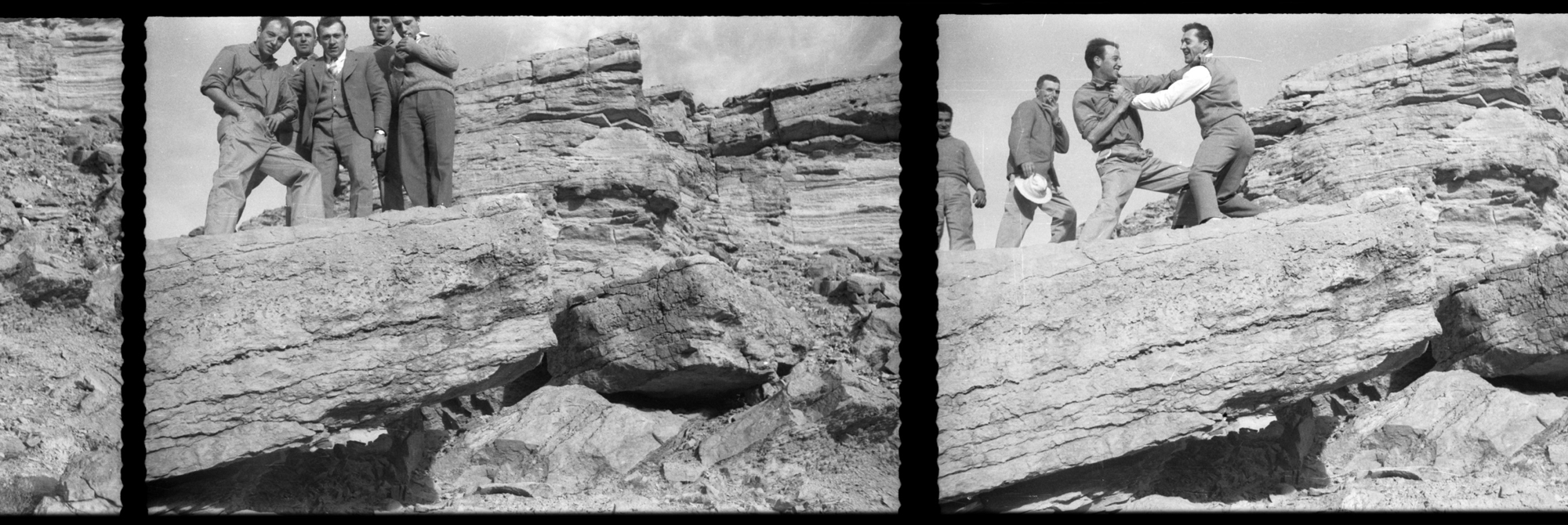
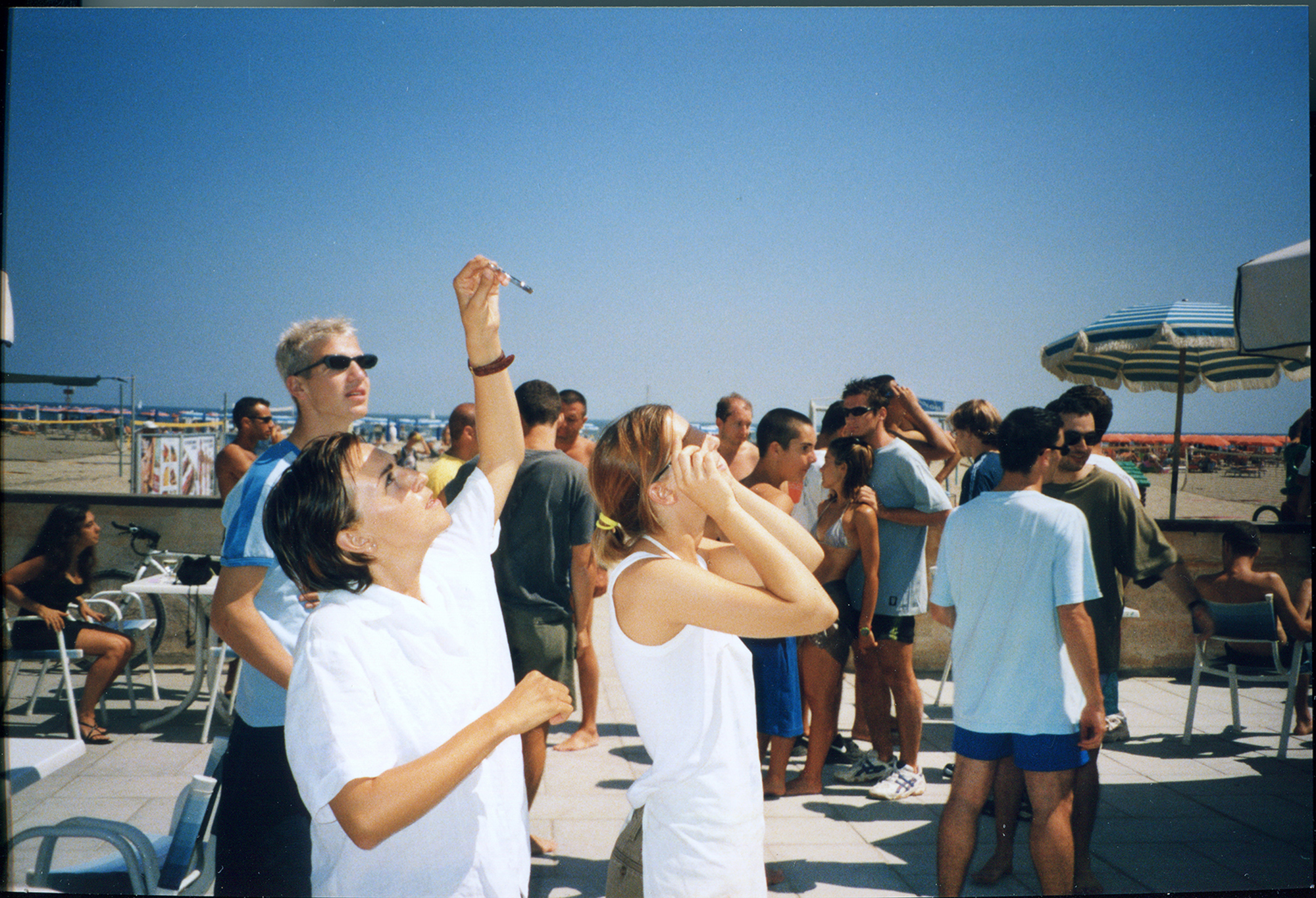
The project stems from a personal archive. Black-and-white photographs of provincial Emilia from the 1960s to the 1980s are followed by colour images from the 1990s and the 2000s, many of them depicting Matteo’s own family. Bodies in close proximity, celebrations, gatherings of friends: a sociability still sustained by recognisable rituals, a warmth predisposed to be photographed. These archival images are not summoned out of nostalgia, but to measure the distance from which the present can be observed.

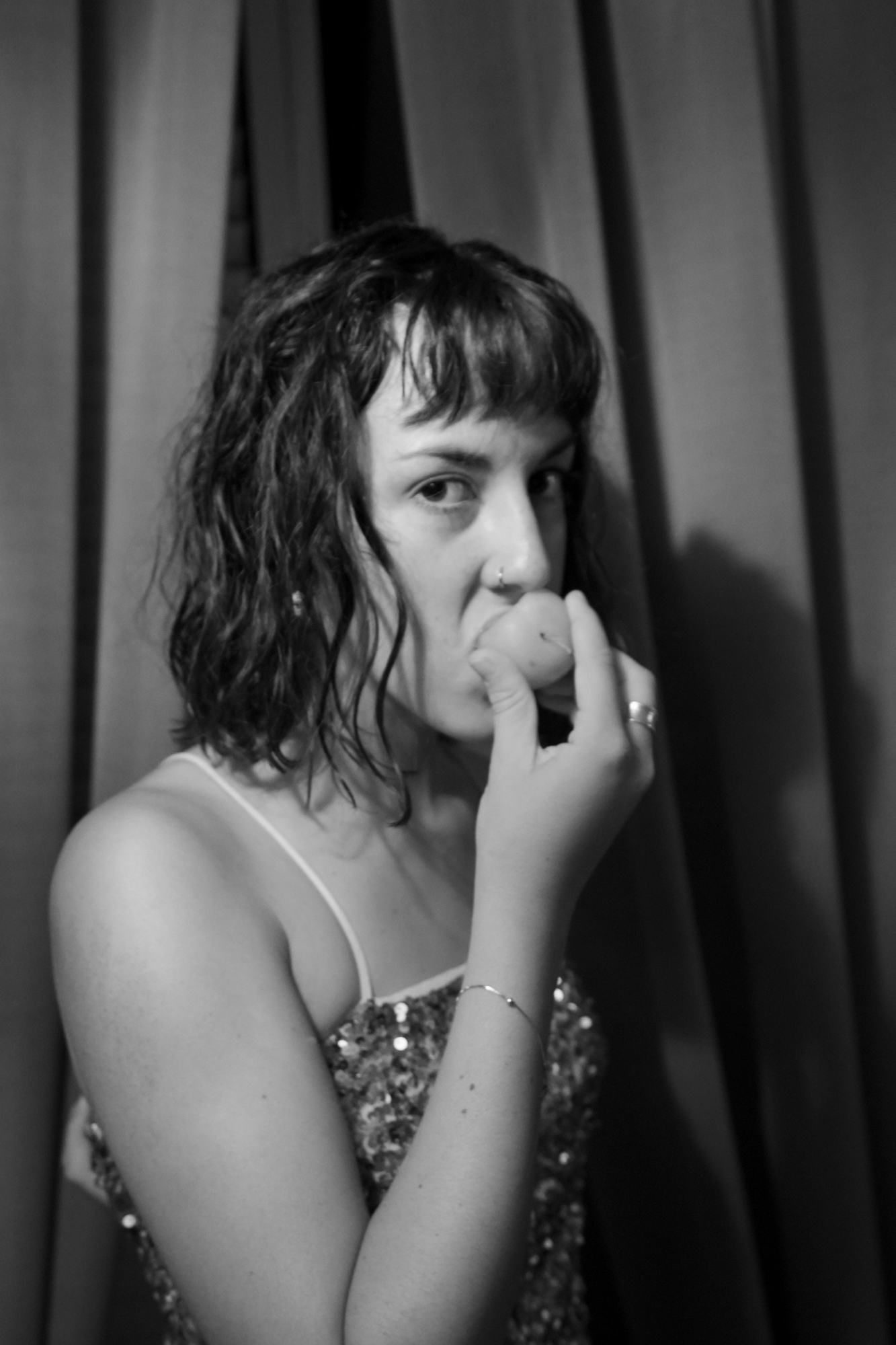
The archival research is interwoven with a series of portraits: black and white, sharply focused, illuminated by a flash that grants no escape. Faces of contemporary provincial life, caught in the particular weight of the everyday: gazes that judge without seeing, presences folded in on themselves, bodies that seem to be holding their breath. The pandemic did not create this condition, but it made it visible, stripping away the alibis of movement, distraction, and elsewhere, allowing a solitude that was already there, quietly sedimented, to emerge. From this solitude, however, one can leave.

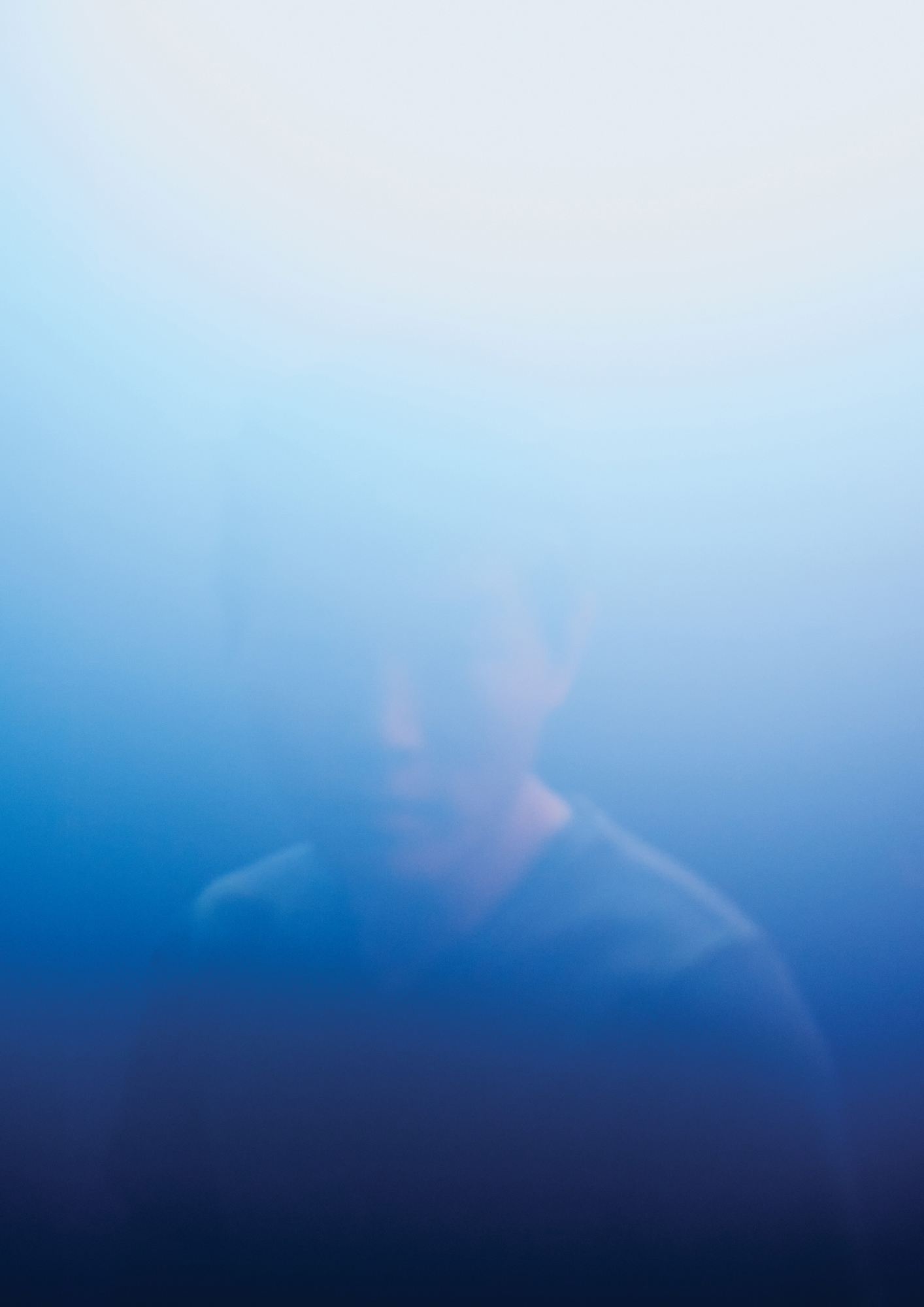
The final images shift register: contours dissolve, sharpness gives way to a painterly quality, and light ceases to define, beginning instead to envelop. The city becomes a space of liberating anonymity, where not being recognised is a form of breathing, where the gaze of others loses the force of a sentence. This is not a solution, but a direction.

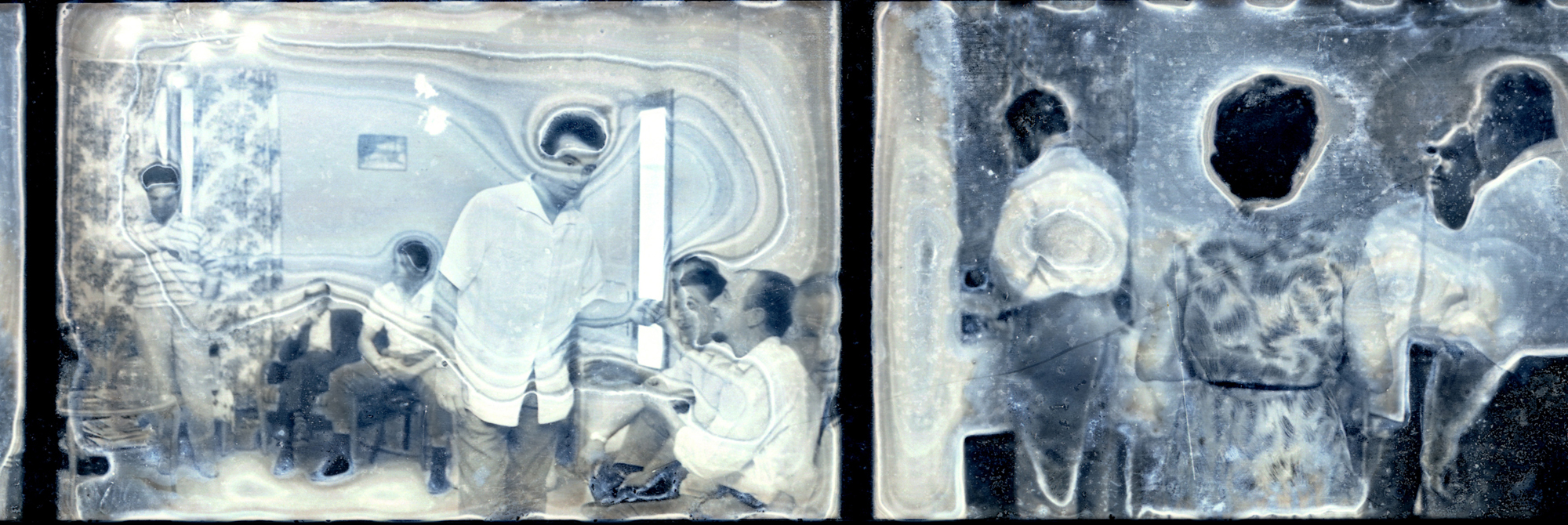
Beati monocoli in terra caecorum closes where it began: with the same archival photographs, now gnawed by time. Deteriorated film, worn emulsions, images slowly returning to indistinction. It is a warning about the fragility of memory and the responsibility to preserve both images and people before time exercises its silent right.

Beati monocoli in terra caecorum is the author's first personal work. The point from which everything began to take shape.

La province n'est pas un lieu. C'est une condition — une façon d'être regardé et de regarder, un système de proximité qui peut devenir contrôle, d'appartenance qui peut devenir cage. Beati monocoli in terra caecorum naît durant l'été post-pandémique comme une tentative de nommer quelque chose qui se sentait dans l'air mais résistait à la définition : une lumière qui s'était retirée, une communauté qui avait oublié comment être ensemble.

Le projet prend son point de départ dans les archives. Des photographies en noir et blanc de la province italienne entre les années soixante et quatre-vingt, puis des images en couleur des années quatre-vingt-dix et deux mille — parmi elles, beaucoup de famille. Des corps proches, des fêtes, des réunions : une sociabilité qui avait encore une forme reconnaissable, une chaleur qui se laissait photographier. Ce matériau n'est pas convoqué par nostalgie, mais comme mesure — comme la distance depuis laquelle observer le présent.

Le présent est une série de portraits. Noir et blanc, mise au point nette, une lumière qui n'accorde aucune échappatoire. Des visages de la province contemporaine, saisis dans le poids spécifique du quotidien : des regards qui jugent sans voir, des présences repliées sur elles-mêmes, des corps qui semblent retenir leur souffle. La pandémie n'a pas créé cette condition, mais elle l'a rendue visible — elle a ôté les alibis du mouvement, de la distraction, de l'ailleurs, et a laissé émerger une solitude qui était déjà là, sédimentée.
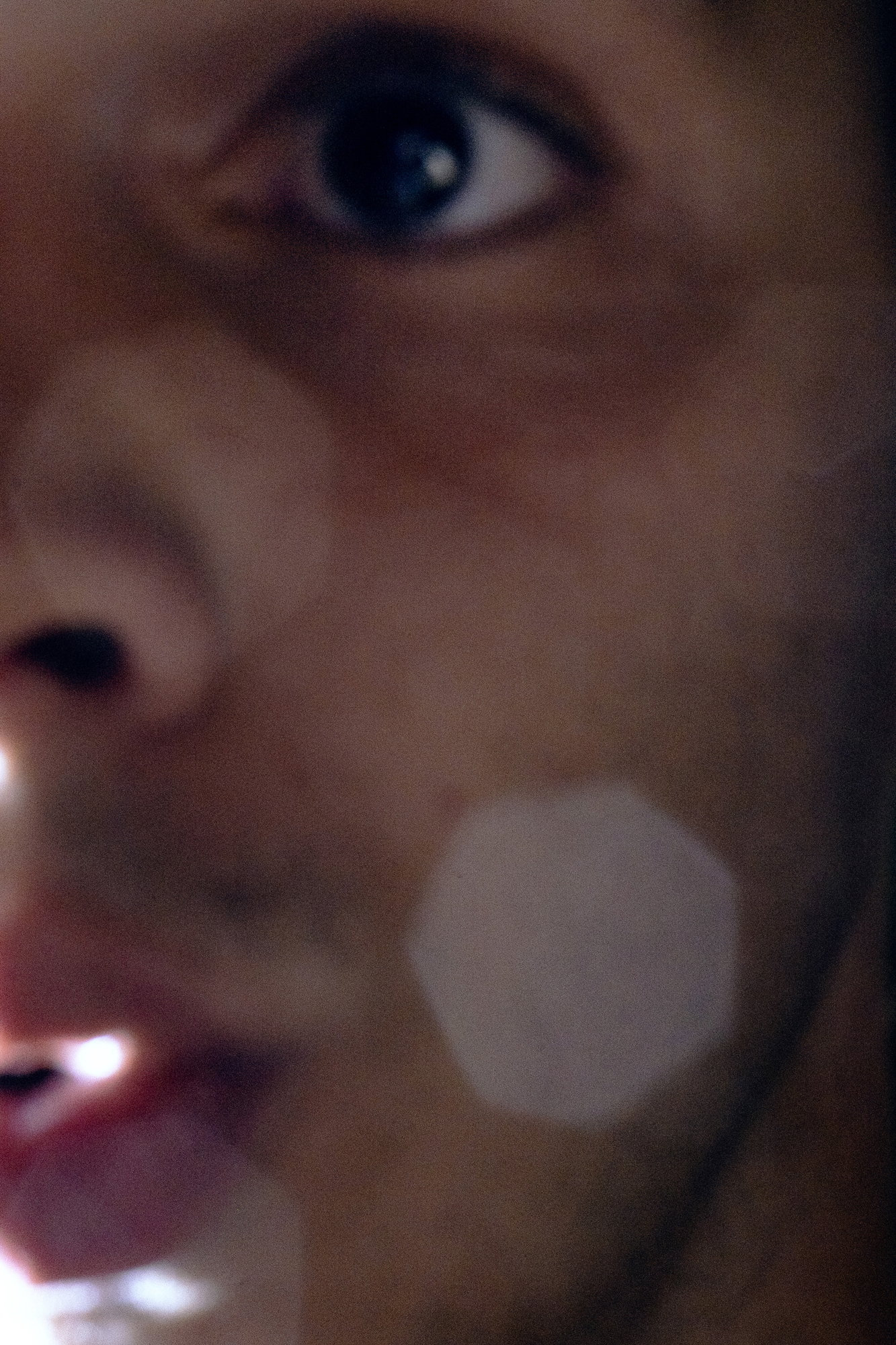
De cette solitude, pourtant, on peut sortir. Les dernières images changent de registre : les contours se dissolvent, la netteté cède à une qualité picturale, la lumière cesse de définir pour commencer à envelopper. La grande ville comme espace d'un anonymat libérateur — où ne pas être reconnu est une forme de respiration, où le regard des autres perd son caractère de sentence. Ce n'est pas une solution, c'est une direction.

Le projet se clôt sur ce dont il était parti : les mêmes photographies d'archives, mais rongées par le temps. Des pellicules détériorées, des émulsions consumées, des images qui retournent lentement à l'indistinct. C'est un avertissement sur la fragilité de la mémoire — et sur la responsabilité de préserver, les images comme les personnes, avant que le temps n'exerce son droit silencieux.
Beati monocoli in terra caecorum est le premier travail personnel de l'auteur. Le point à partir duquel tout a commencé à prendre forme.

Retouching — coming soon

Social media manager — coming soon